
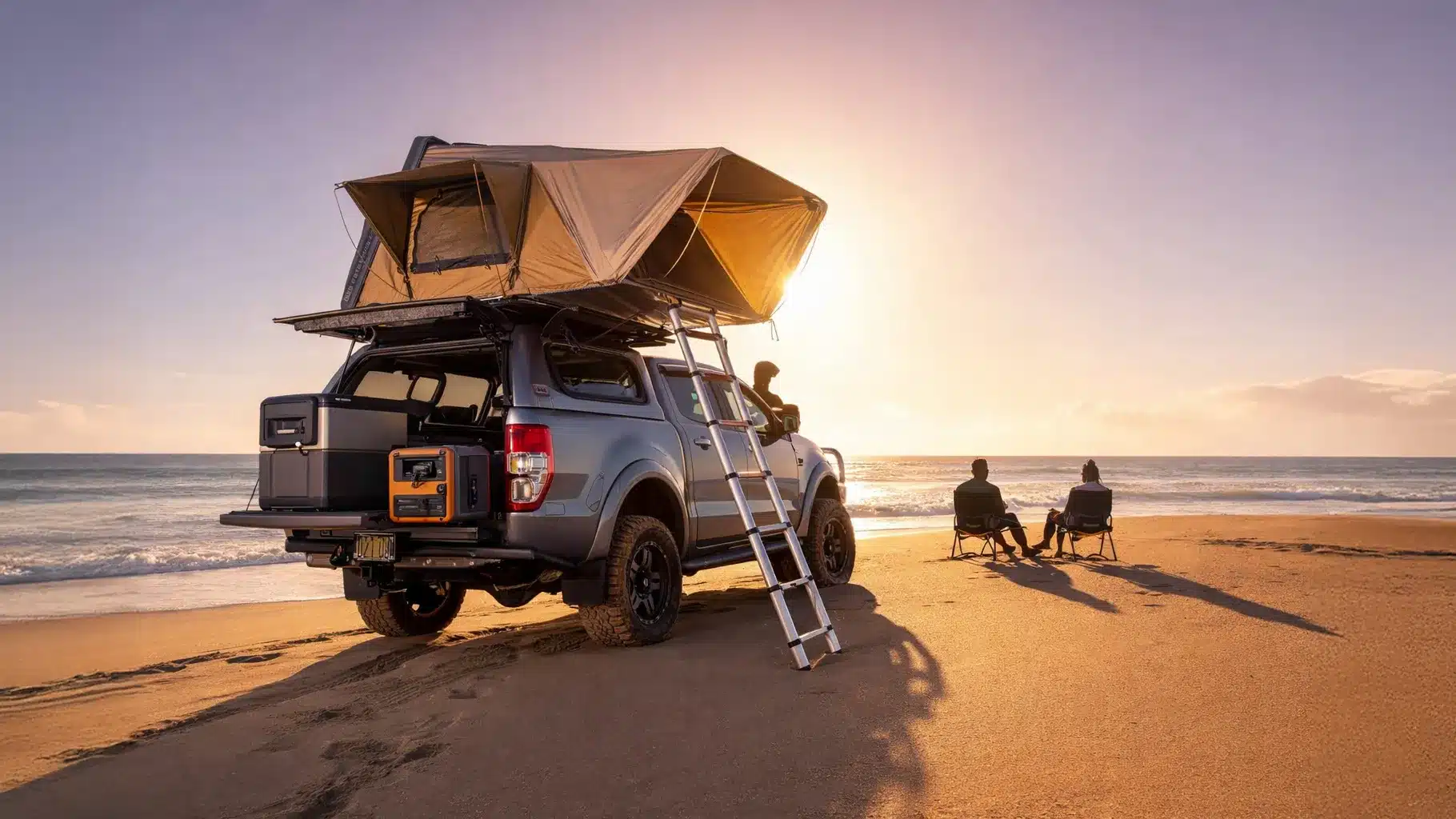

Many Australian travellers are spending less time locked into powered sites and more time moving between locations as conditions, crowds, and availability change. For many, that has meant rethinking how camps are set up. Prioritising speed, flexibility, and independence over permanent or fixed-style accommodation.
One setup appearing more often among 4WD tourers is the pairing of rooftop tents with portable power. Together, they support short stays, off-grid camping, and frequent movement without relying on caravan park infrastructure.
This isn’t a shift driven by novelty or comfort alone. It reflects how people are travelling right now; Covering longer distances, adapting plans on the fly, and needing setups that work whether they stay one night or several.
Why rooftop tents and portable power are often used together
Both suit travellers who prioritise short stays, off grid flexibility and a camp setup that works without relying on powered sites.
A Simpler Way to Camp When You’re on the Move
Traditional ground tents and powered caravan sites still suit many travellers. But they rely Rooftop tents have become popular among travellers who don’t want their camp routine dictating their travel schedule. When mounted to a vehicle, the sleeping setup remains consistent regardless of where the vehicle stops.
For those arriving late or leaving early, the appeal is straight forward. The tent can be deployed quickly, without searching for flat ground or unpacking multiple components. In the morning, it’s packed away just as fast, allowing travellers to get back on the road without dismantling a full campsite.
This style of camping suits point-to-point travel, overnight stops between regions, and trips where daily movement is part of the plan rather than the exception.
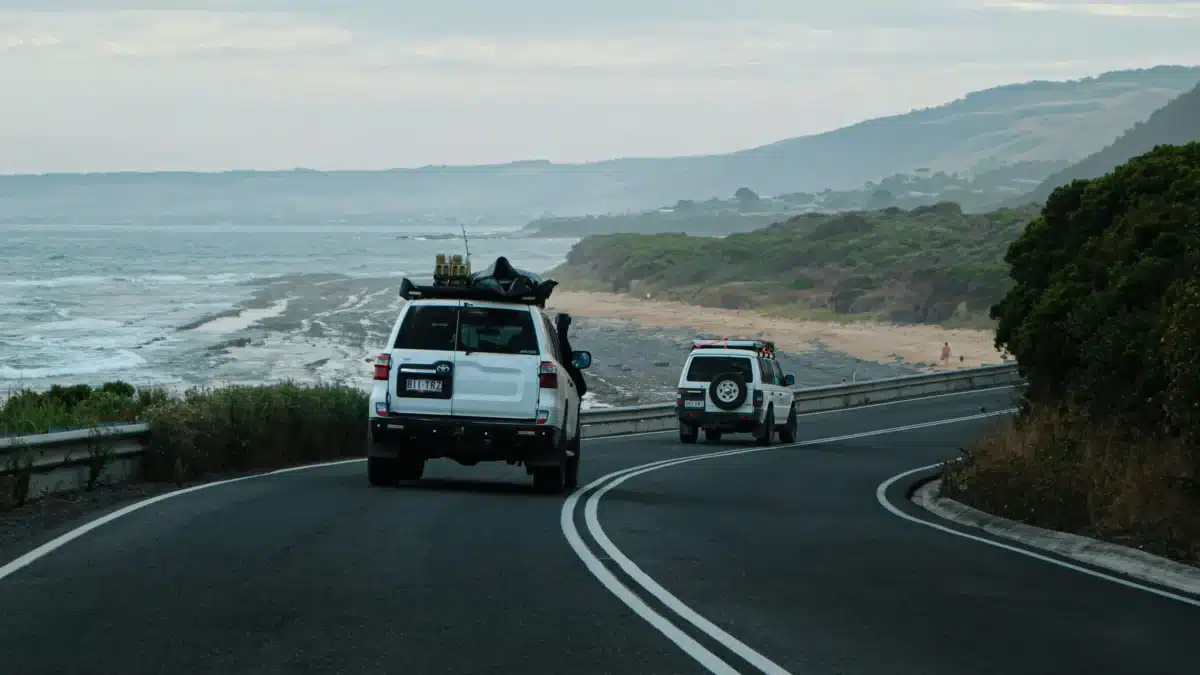
Where Power Becomes the Limiting Factor
While rooftop tents simplify sleeping arrangements, they don’t solve one of the most common challenges of off-grid travel: power.
Once travellers move away from powered sites, everyday needs don’t disappear. Fridges still need to run, phones and cameras need charging, and camp lighting becomes essential once the sun goes down. Relying on a vehicle’s starter battery is rarely sustainable, particularly if the vehicle isn’t driven every day.
For many travellers, this is where the rooftop tent setup starts to feel incomplete, unless it’s paired with a dedicated power solution.
Why Portable Power Stations Fit This Style of Travel
Portable power stations have become increasingly common among travellers who want power without permanent installations or generators. They offer a self-contained way to support off-grid camps while remaining easy to move, charge, and store.
Because they can be topped up while driving, charged before departure, or replenished with solar where conditions allow, they suit travellers who move regularly but still want the option to stay put when a good camp presents itself.
In practical terms, they allow rooftop tent users to run fridges overnight, light the camp area, and charge essential devices without draining the vehicle battery or creating noise in shared camps.
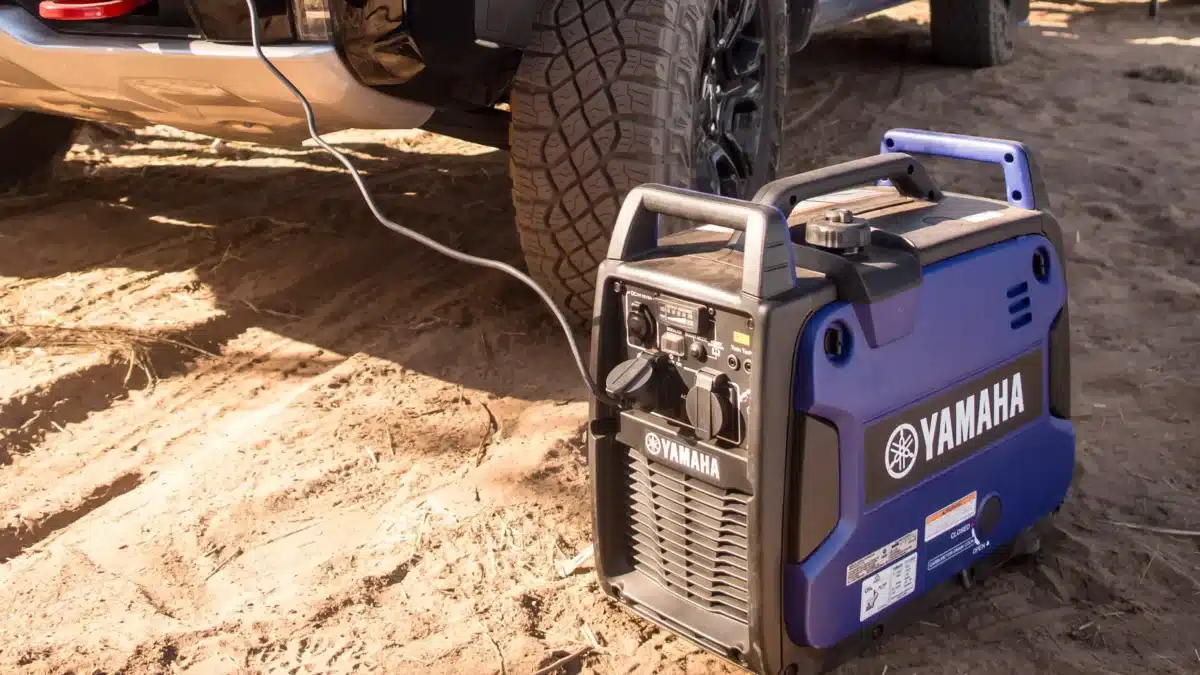
How the Two Work Together in Practice
Rather than being separate upgrades, rooftop tents and portable power stations tend to complement each other as part of a single touring system. One addresses where and how you sleep. The other keeps the camp functional once the vehicle stops.
The result is a setup that supports:
- Short overnight stops
- Multi-day off-grid stays
- Camps without infrastructure
- Flexible travel when plans change
This combination is commonly seen at free camps, national parks without power, roadside rest areas, and informal bush camps where access is available but services are limited.
Practical Considerations Before Adopting This Setup
While the combination suits many travellers, it isn’t universal.
Vehicle roof load limits need to be checked before fitting a rooftop tent, and total system weight should be considered once fridges and power stations are added. Power capacity requirements will vary depending on fridge size, lighting use, and how often the vehicle is driven.
Solar charging can be effective in open camps but less reliable in heavily shaded areas, and storage space inside the vehicle remains a key consideration for longer trips.
Travellers planning extended stays in one location or travelling with larger groups may still find camper trailers or caravans better suited to their needs.

Why This Setup Is Becoming More Common Now
This pairing reflects broader changes in Australian travel patterns. Campgrounds are busier during peak periods, powered sites are often booked out, and many travellers want the option to stop where it suits them rather than where infrastructure exists.
Rooftop tents and portable power stations don’t replace every camping setup. But for travellers prioritising movement, independence, and adaptability, they offer a practical response to the way touring conditions have shifted.
Who it suits
The rise of rooftop tents paired with portable power isn’t about chasing trends or upgrading gear for its own sake. It’s about building a camp setup that works across changing conditions, long distances, and unpredictable travel plans.
As more Australians favour short stays, off-grid options, and flexible routes, this combination is likely to remain a common sight across regional roads and campsites.
Related Reads
Essential 4WD Roof Loading Guide – Safe Setup For Off-Road Adventures