
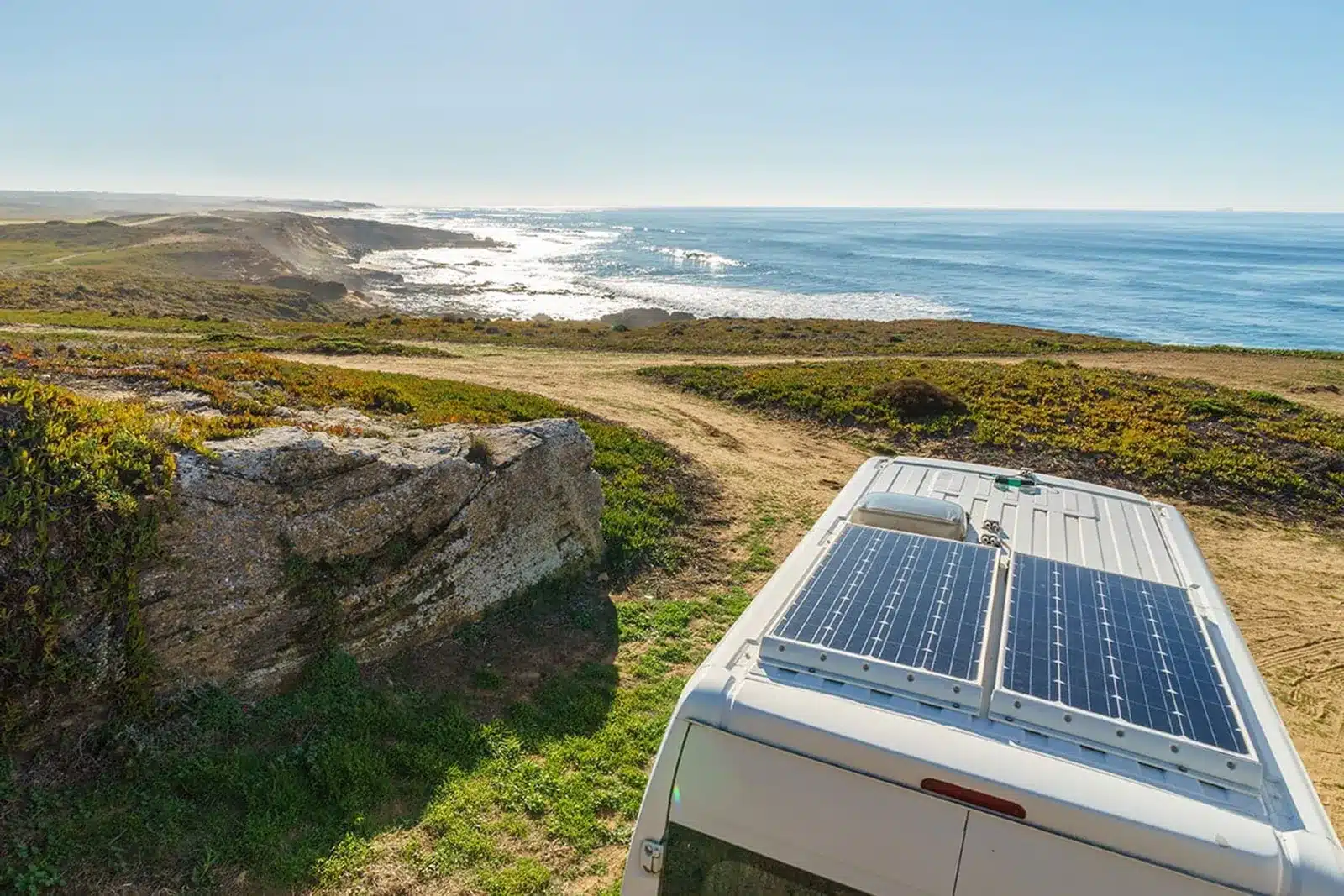


Upgrading a caravan power system is now one of the most common changes owners make after purchase. Larger lithium battery banks, rooftop solar and high-capacity inverters can make off-grid travel easier, especially for travellers wanting to run more appliances away from powered sites.
But these upgrades also change the electrical load, replacement value and risk profile of the van.
For caravan owners, that means the decision is not just about adding more power. It is also about making sure the setup is safe, correctly installed and properly documented.
5 Caravan Power Setup Mistakes
More lithium, larger inverters, and extra solar can improve off-grid touring, but poor setup choices increase the risk of electrical faults, heat damage, and voided insurance.
01. Cabling Mismatch
Oversized inverters with undersized cabling. High current draw through small cables causes overheating and melted insulation—a primary cause of electrical fires.
02. Battery Incompatibility
Mixing types or ages. Combining Lithium (LiFePO4) with AGM, or old batteries with new ones, leads to uneven charging, heat stress, and premature cell failure.
03. Thermal Management
Poor ventilation. Heat build-up in tight cabinetry reduces component efficiency and significantly shortens the lifespan of chargers and battery management systems (BMS).
04. Uncertified Solar
DIY roof penetrations. Incorrect wiring, missing fuses, and poorly sealed mounts lead to electrical shorts, water ingress, and expensive structural repairs.
05. Compliance Gaps
Forgetting insurance updates. Insurance updates are sometimes overlooked. High‑value upgrades should be documented. If your insurer isn’t notified of your $5k+ lithium setup, your cover may only reflect the base factory build.
Upgrade Action Plan
Why caravan power system upgrades can create risk
A modern caravan often carries far more electrical demand than older setups were designed to handle.
Coffee machines, air fryers, induction cooktops, microwaves and compressor fridges all place pressure on the battery and charging system. Many owners also want enough stored power to run multiple devices in remote areas for longer periods.
That has led to a sharp increase in upgrades such as:
- lithium battery replacements
- larger inverters
- added solar panels
- DC-DC chargers
- battery management systems
- upgraded monitors and control panels
When these components are matched and installed properly, they can improve off-grid capability and day-to-day convenience. When they are added in stages without proper planning, problems can start to build.
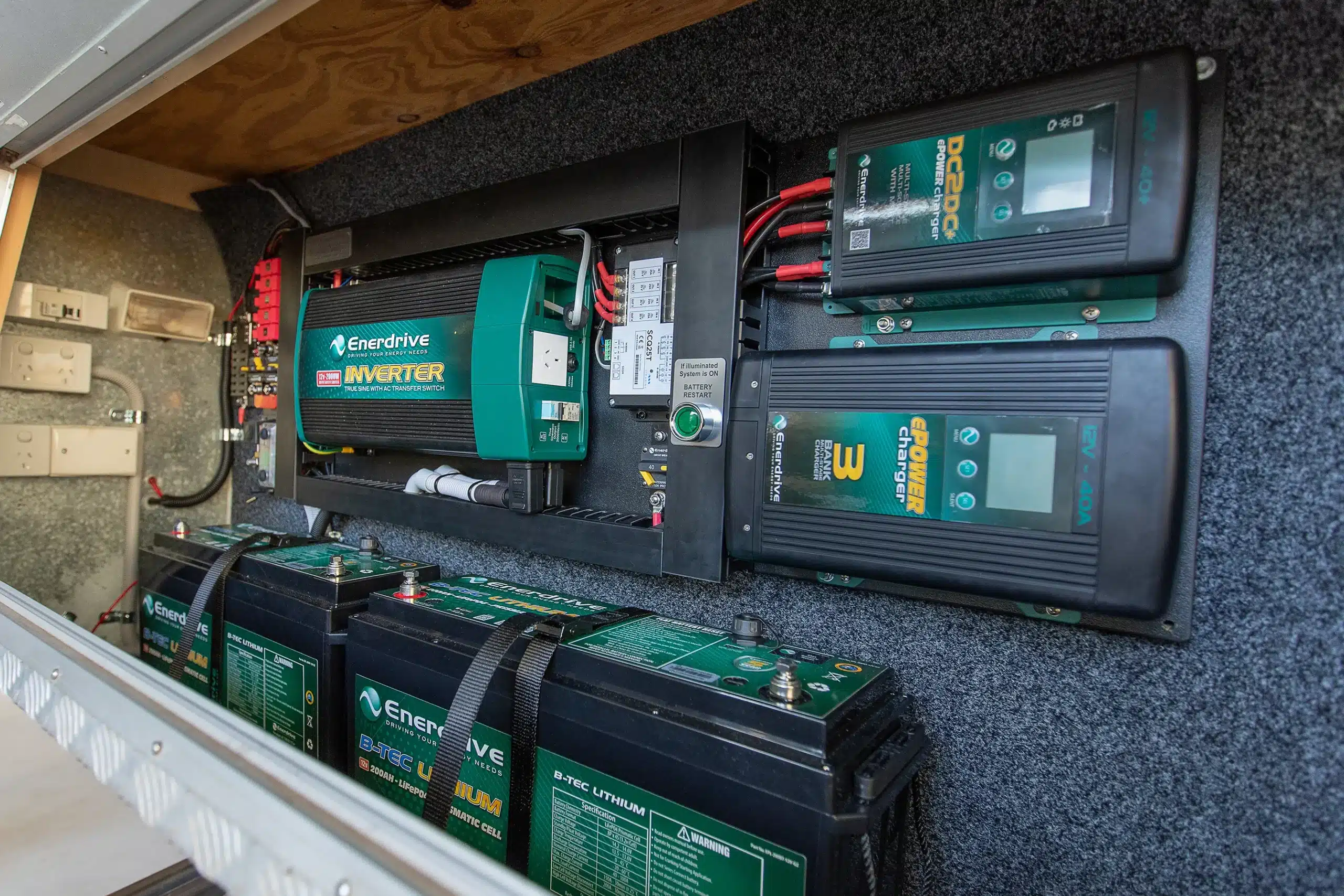
Common caravan power setup mistakes that can lead to damage
1. Installing a large inverter without upgrading the cabling
This is one of the most common errors in caravan electrical systems.
A larger inverter allows owners to run 240V appliances from battery power, but it also increases current draw. If the cabling between the battery and inverter is too small for the load, heat can build quickly.
That can lead to damaged insulation, voltage drop, poor performance and, in more serious cases, electrical fire.
The inverter might appear to work normally at first, but the risk often sits in the background until the system is pushed harder.
2. Mixing different battery types or ages
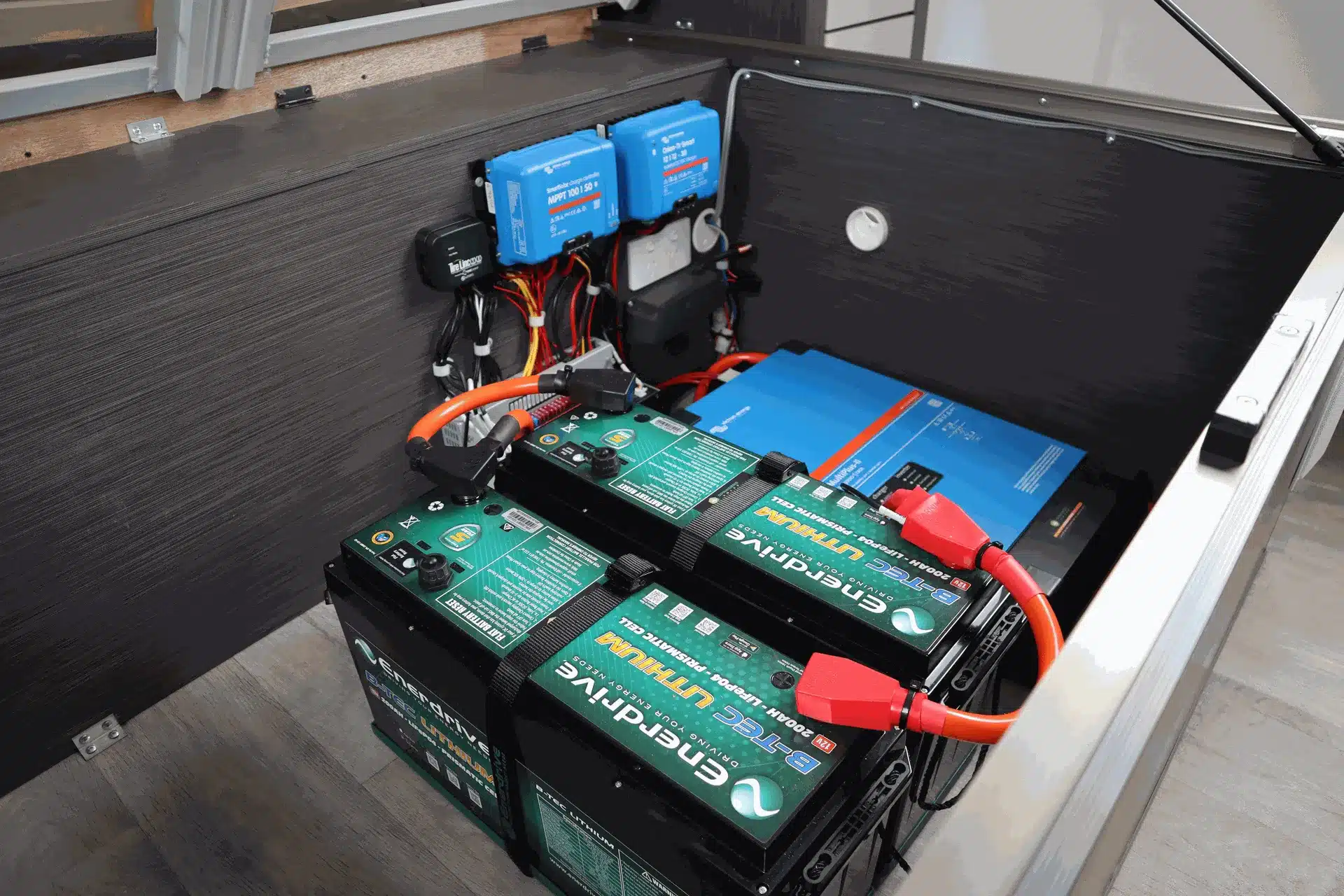
Battery upgrades are often done in stages, particularly when owners are trying to manage cost. The problem is that combining different battery chemistries or mismatched battery ages can create uneven charging and discharge behaviour.
A common example is mixing lithium with older AGM batteries, or adding a new battery to a bank that has already seen heavy use.
That can affect charging efficiency, reduce battery life and place extra strain on the system. In some cases, it can also create heat and balance issues that are not obvious until performance starts falling away.
3. Poor ventilation around batteries, chargers and inverters
Space is limited in most caravans, so electrical components are often fitted into tight cupboards or under seating.
That makes practical sense from a storage perspective, but electrical gear still needs airflow. Chargers, inverters and battery management systems can all generate heat during normal use. Without adequate ventilation, operating temperatures climb and component life can shorten.
Poor airflow may not cause immediate failure, but over time it can contribute to system stress and expensive replacement costs.
4. DIY solar wiring and poorly sealed roof penetrations
Solar is one of the first upgrades many owners tackle themselves. It can also be one of the most problematic when corners are cut.
Incorrect panel wiring, missing circuit protection, undersized cables and poorly sealed roof penetrations are all common issues in modified caravans. Water ingress from badly sealed mounts is a separate risk again, particularly when the van is exposed to heavy rain or long-term outdoor storage.
The solar system may appear neat from the outside while still hiding faults that affect both safety and reliability.
5. Overloading the system with high-draw appliances
A caravan may have a large battery bank and inverter, but that does not automatically mean the whole setup is designed to run multiple high-draw appliances at once.
Microwaves, induction cooktops, coffee machines and air conditioners can place significant demand on the system. Even where the inverter is technically capable, the rest of the system may not be.
This is where owners can run into repeated cut-outs, battery stress, overheated wiring or shortened equipment life.

When DIY caravan electrical modifications become a real risk
Many caravan owners are hands-on with their setups, and smaller accessory installs are often manageable. Electrical modifications are different because they affect safety, performance and the long-term integrity of the van.
A poorly executed upgrade can do more than reduce convenience. It can damage major components, affect warranties and create risk that only becomes obvious after a fault occurs.
That is why major work such as inverter installation, battery replacement, charger upgrades or full system redesign is usually best handled by a qualified installer with caravan or RV electrical experience.
How caravan upgrades can affect insurance cover
Power system upgrades can add substantial value to a caravan. Premium lithium batteries, solar arrays, inverters and control systems can quickly represent thousands of dollars in extra equipment.
That matters for insurance because the van may no longer reflect its original purchase or factory specification.
Owners should consider whether they have:
- kept receipts for the upgraded equipment
- recorded installation details
- used professional fitters where required
- advised their insurer about significant changes
- checked whether the listed value still reflects the upgraded setup
The key point is simple. The more equipment that is added, the more important it becomes to make sure the caravan’s cover reflects what is actually fitted.
What caravan owners should check before installing or modifying gear
Before adding more battery capacity, more solar or a larger inverter, it helps to assess the system as a whole.
Ask:
- Is the existing wiring suitable for the new load?
- Are the charger, inverter and batteries compatible?
- Is there enough ventilation around major components?
- Will the roof or cabinetry need to be modified?
- Has the setup been documented properly?
- Does the insurer need to be notified?
A staged upgrade can still work, but only if each change is made with the full system in mind.
What this means for travellers
For most owners, the goal of a caravan power upgrade is straightforward. More flexibility, More comfort, More time off-grid.
But the safest and most cost-effective setup is usually not the one with the most gear. It is the one that has been designed properly, installed correctly and documented clearly.
That reduces the risk of damage, helps protect the value of the van and gives owners a clearer picture of what they are relying on when they are away from home.
The bottom line
Caravan power system upgrades can make touring easier, especially for travellers spending longer periods off-grid. But they also change the risk profile of the van.
Oversized inverters, mismatched batteries, poor ventilation, DIY wiring and undocumented upgrades can all lead to avoidable problems.
For owners planning electrical modifications, the safest approach is to treat the upgrade as more than a shopping list. It is a system, and it needs to be built that way.
This article was produced with support from CIL Caravan Insurance. What’s Up Downunder maintains full editorial independence.
Disclaimer: CIL Insurance is a trading division of AAI Limited ABN 48 005 297 807 AFSL 230859, the issuer of the insurance. Any advice has been prepared without taking into account your particular objectives, financial situations or needs, so you should consider whether it is appropriate for you before acting on it. Read the Product Disclosure Statement before making a decision about this product. The Target Market Determination is also available.