
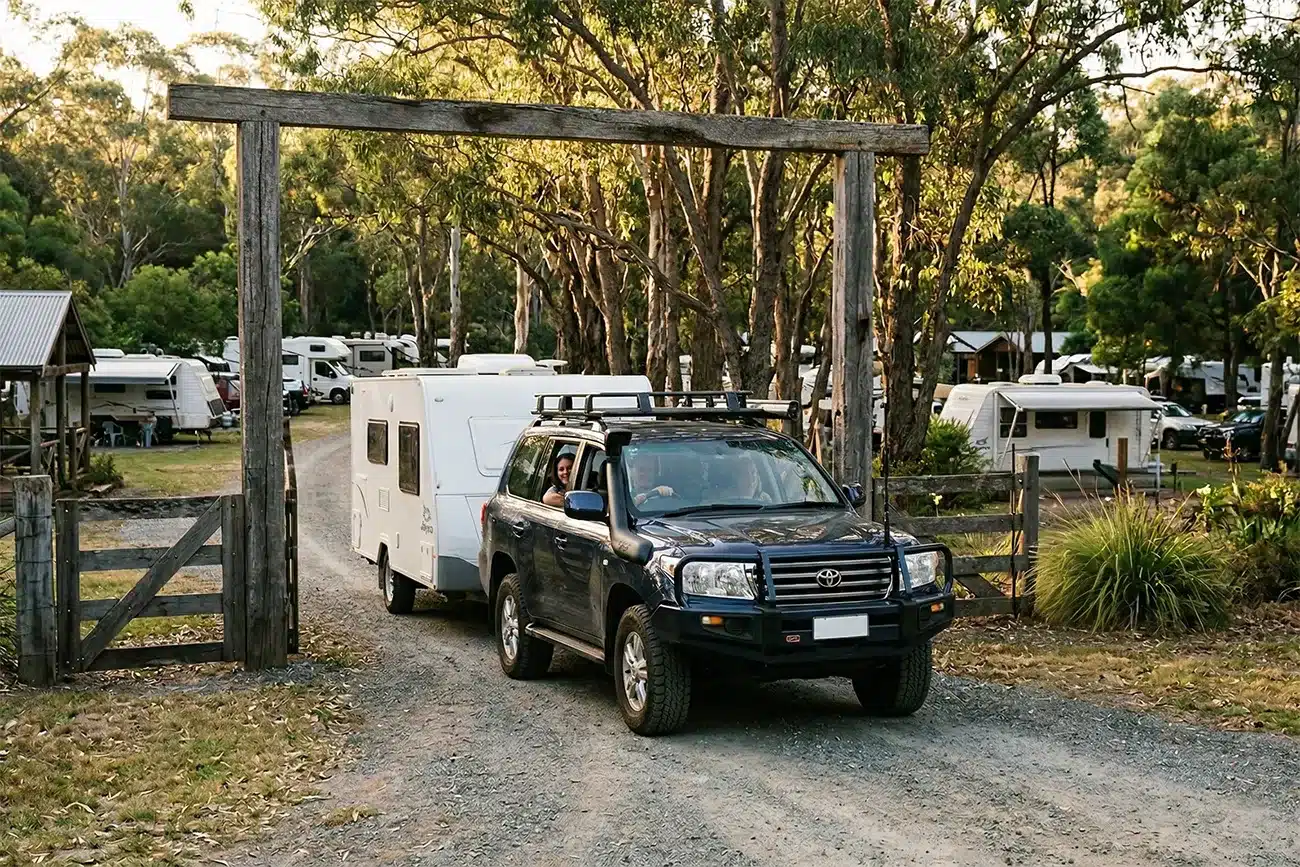

If you’ve booked a caravan park recently and noticed something felt a little different, the prices, the check-in process, the rules on the noticeboard, you’re not imagining it.
Across Australia, caravan parks and national park campgrounds are going through a period of real change. New fee structures, stricter booking policies, and updated site rules are rolling out in several states, and many first-time travellers are arriving unprepared.
This guide breaks down what’s actually changing, what it means for families and newcomers, and how to make sure your next trip runs smoothly.
Why Things Are Shifting Right Now
A few things have converged at once.
The post-pandemic caravan boom brought millions of new travellers onto Australian roads. Parks that were once half-empty during shoulder season are now frequently full. That surge in demand has prompted both governments and private operators to rethink how they manage bookings, pricing, and site access.
At the same time, state governments are updating their fee models for national park campgrounds, most visibly in NSW, where a new six-tier pricing system takes effect from 1 July 2026. And a very public debate over “ghost camping,” where people book sites and simply don’t show up, has pushed many parks toward stricter cancellation and check-in policies.
If you’re planning your first trip, or your first trip in a few years, it pays to know what you’re walking into.
1. Camping Fees Are Going Up and Getting More Complicated
The biggest change most travellers will notice is at the payment stage.
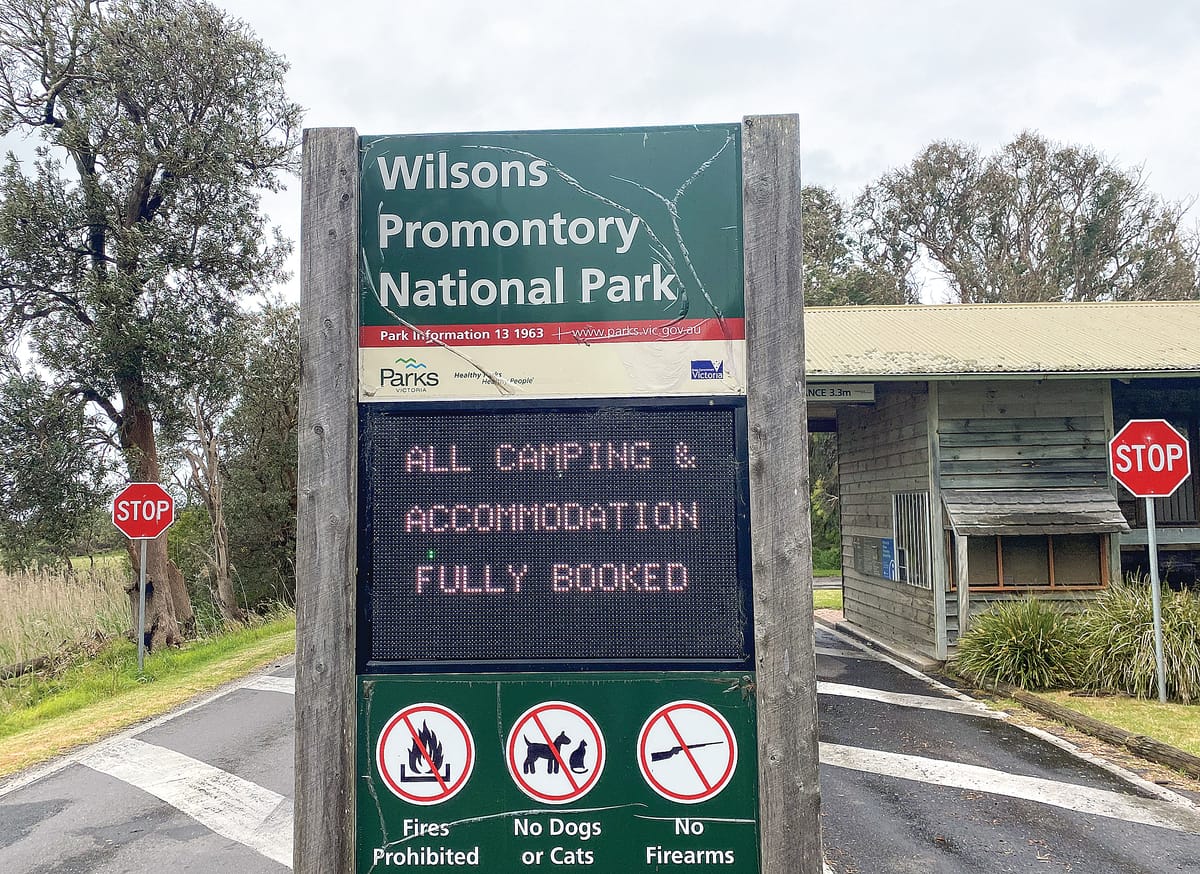
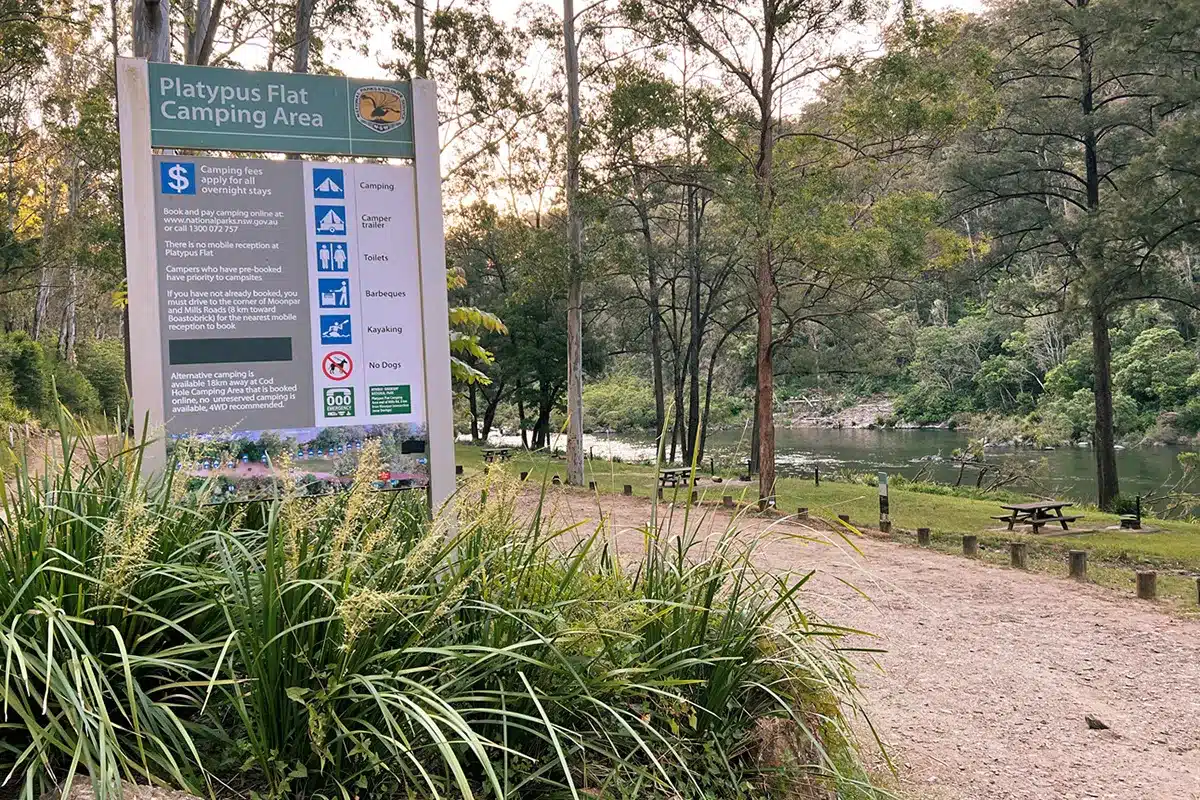
NSW national parks are introducing a six-tier fee structure from mid-2026. The idea is to match price to the level of facilities on offer. Basic cleared sites (Tier 1) will actually become free. But campgrounds with hot showers, camp kitchens and powered sites (Tier 6) will cost up to $89 per night at peak times, up from around $49 previously. Some individual sites are facing increases of up to 600%.
The response from the community has been loud. An ePetition opposing the changes gathered more than 13,000 signatures, with families and retirees both raising concerns about affordability.
What this means for you: If you’re planning a trip to a NSW national park campground this year, check the new tier for your specific site before you budget. What you paid last trip may not reflect what you’ll pay this time.
Victoria wound back its free camping initiative in June 2025. Parks Victoria campgrounds transitioned back to fee-based bookings, though reduced half-price rates are in place through mid-2027. Tasmania’s Central Coast introduced a $15-per-night permit system for freedom campers from early 2026, with a three-night maximum stay and self-contained vehicles only.
Private holiday parks, including BIG4, Reflections, and Discovery Parks, have also adjusted pricing, particularly for peak school holidays and Easter. Premium sites with waterfront position, powered hookups and resort-style facilities can now reach $100 to $150 per night at popular coastal locations.
Newcomer TipAlways book directly through the park’s website or the official NSW National Parks booking portal. Third-party booking platforms sometimes show outdated pricing.Book official — avoid pricing surprises
2. Ghost Camping Has Changed How Parks Handle Bookings
If you’ve scrolled through a camping Facebook group recently, you’ve almost certainly seen a post about ghost camping.
Ghost camping is when someone books a site, sometimes several, and doesn’t show up. During peak periods, it’s been reported to affect up to half of all booked sites at popular campgrounds. A viral TikTok showing five empty luxury caravans holding prime Murray River spots over a long weekend was watched more than 530,000 times and lit up community forums for weeks.
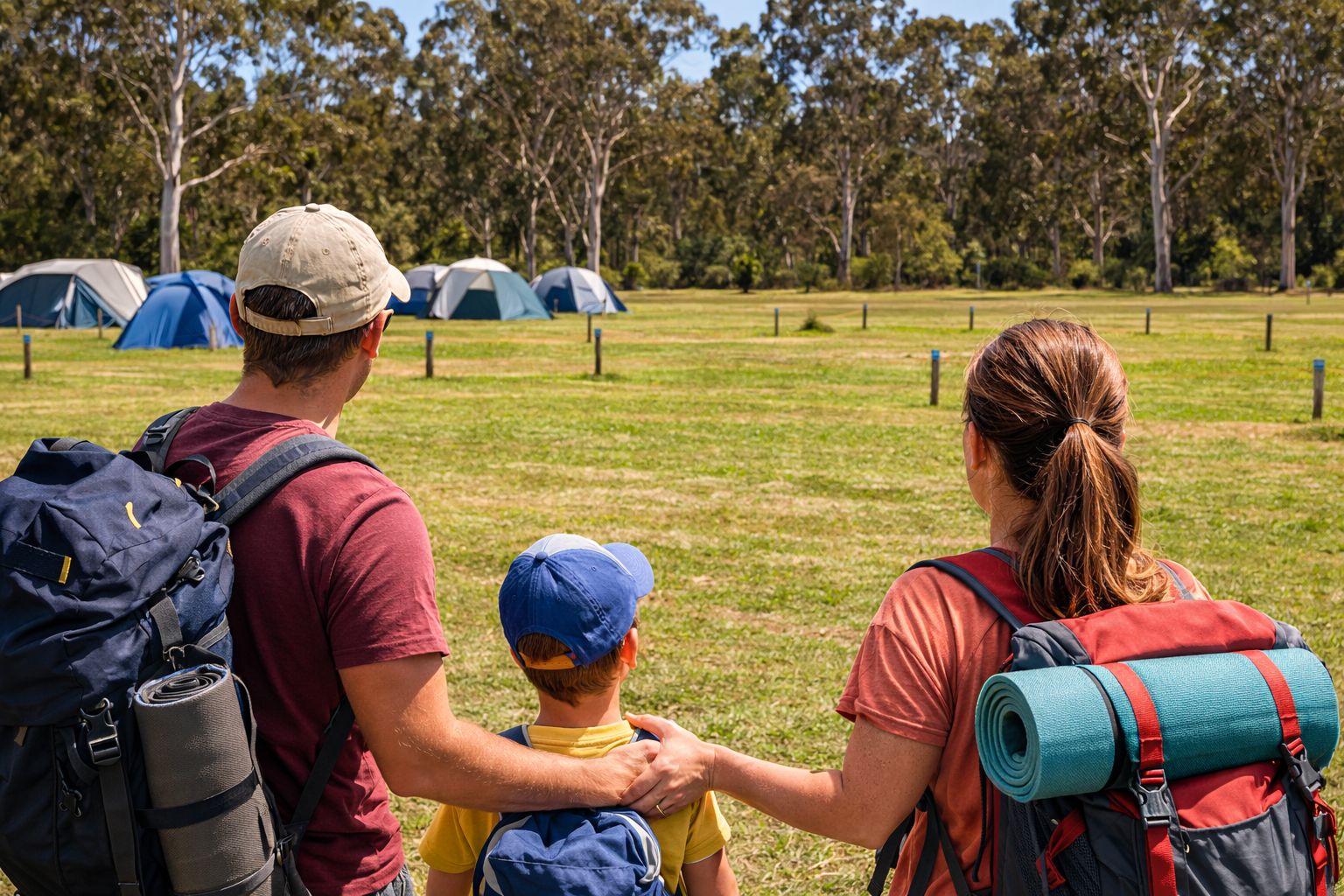

Parks are responding. Queensland now issues $322 fines for no-shows within 24 hours of check-in. Many private operators have tightened their cancellation windows, with some now requiring notice 7 to 14 days ahead for peak periods, and non-refundable deposits becoming more common.
Some parks have also moved to staggered release calendars, where sites open for booking in rolling windows rather than all at once, to reduce the incentive for speculative bulk-booking.
What this means for you: Read the cancellation policy carefully before you confirm. If your plans are flexible, look for parks with free cancellation up to 48 hours prior. They exist, but they’re becoming less common at popular spots during school holidays.
Family TipIf you have kids with school commitments, book your Easter and July school holiday sites as early as possible — ideally the moment the booking window opens. Popular coastal and river parks fill within hours.Book early — spots go fast
3. Self-Contained Requirements Are Getting Stricter in Some Areas
Freedom camping, pulling up in a quiet spot without facilities, has long been a beloved part of Australian caravan culture. But the rules around it are tightening in several regions.
Tasmania now requires a self-contained vehicle to use its new Central Coast permit system. Similar requirements exist in parts of South Australia and some Queensland local government areas. “Self-contained” typically means your van has its own toilet, wastewater holding, and sufficient fresh water, verified by a formal certification or compliance plate.
For newcomers, this is an important point: not all caravans are self-contained by default. A basic entry-level van without an onboard toilet won’t qualify in areas where self-containment is required.
What this means for you: If freedom camping or low-cost regional stopovers are part of your travel style, check whether your van is self-contained before you head somewhere that requires it. The WikiCamps Australia app lists self-containment requirements site by site and is worth downloading before any trip.
4. Pet Policies Are Expanding (Mostly for the Better)
Here’s a genuinely positive change for families travelling with dogs.
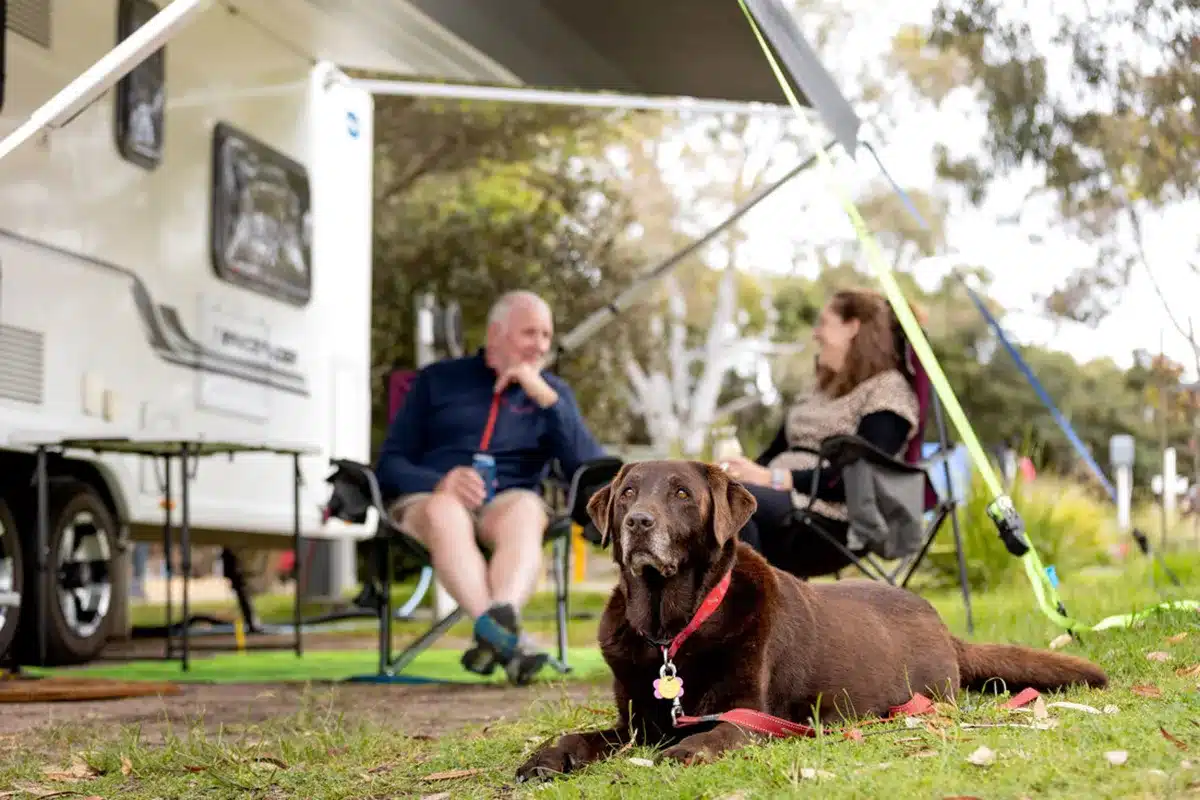
The demand for pet-friendly sites has grown significantly, and major holiday park networks have responded. BIG4, Discovery Parks and Reflections Holiday Parks have all expanded their pet-friendly offerings over the past two years. Many parks that previously banned pets entirely now have designated pet-friendly zones or dedicated dog-friendly sites.
That said, rules vary widely. Common requirements include:
- Dogs on leads at all times within the park
- Proof of current vaccination or flea treatment on request
- Breed restrictions at some parks (check if you have a larger breed)
- Extra cleaning bonds at some properties
- No pets in cabins, only on powered or unpowered sites
What this means for you: If the dog is coming, filter your search specifically for pet-friendly sites and call the park directly to confirm the specific rules. “Pet friendly” means different things at different parks.
5. Check-In Times and Site Access Are Tightening
Something smaller, but worth knowing: many parks have moved from flexible check-in to strict arrival windows, typically 12pm to 8pm, with gates locked or a reduced after-hours process outside those times.
This shift is largely driven by parks moving to automated check-in kiosks and reduced staffing at reception. Some parks now send a QR code to your phone prior to arrival, which you scan at the boom gate. If you arrive after hours without completing the digital check-in, you may find yourself stuck at the entrance.
Parks are also more actively enforcing site size limits. If you’re travelling with a large caravan plus an annexe, tow vehicle and trailer, make sure the site dimensions accommodate your full setup. Arriving with a 9-metre van booked into a site rated for 7 metres is an increasingly common source of friction.
What this means for you: Complete any pre-arrival digital check-in as soon as you receive it. And when booking, measure your full rig, caravan, tow vehicle and annexe, and compare it to the listed site dimensions. When in doubt, call ahead.
Family TipIf you’re travelling with young kids, factor in realistic driving times and build in buffer. Arriving at 8:30 pm at a park that locks its gates at 8 pm is a stressful way to start a holiday.Always check your park’s gate closing time
6. Noise, Fire, and Speed Rules Are Being Enforced More Actively
This one surprises first-time park visitors most often.
Caravan parks, even large ones, are residential environments. Quiet hours (typically 10pm to 7am), fire restrictions, and 10km/h speed limits within parks are long-standing rules, but parks are now more actively enforcing them. Repeat breaches can result in being asked to leave without a refund.
Common things that catch newcomers off-guard:
- Generator hours are restricted at most parks, often to 8am to 8pm only
- Open fires may be prohibited even when a fire pit is provided, depending on the current fire danger rating
- Music and noise after quiet hours, including from external Bluetooth speakers, is taken seriously
- Driving speed through the park, particularly near playgrounds, is monitored
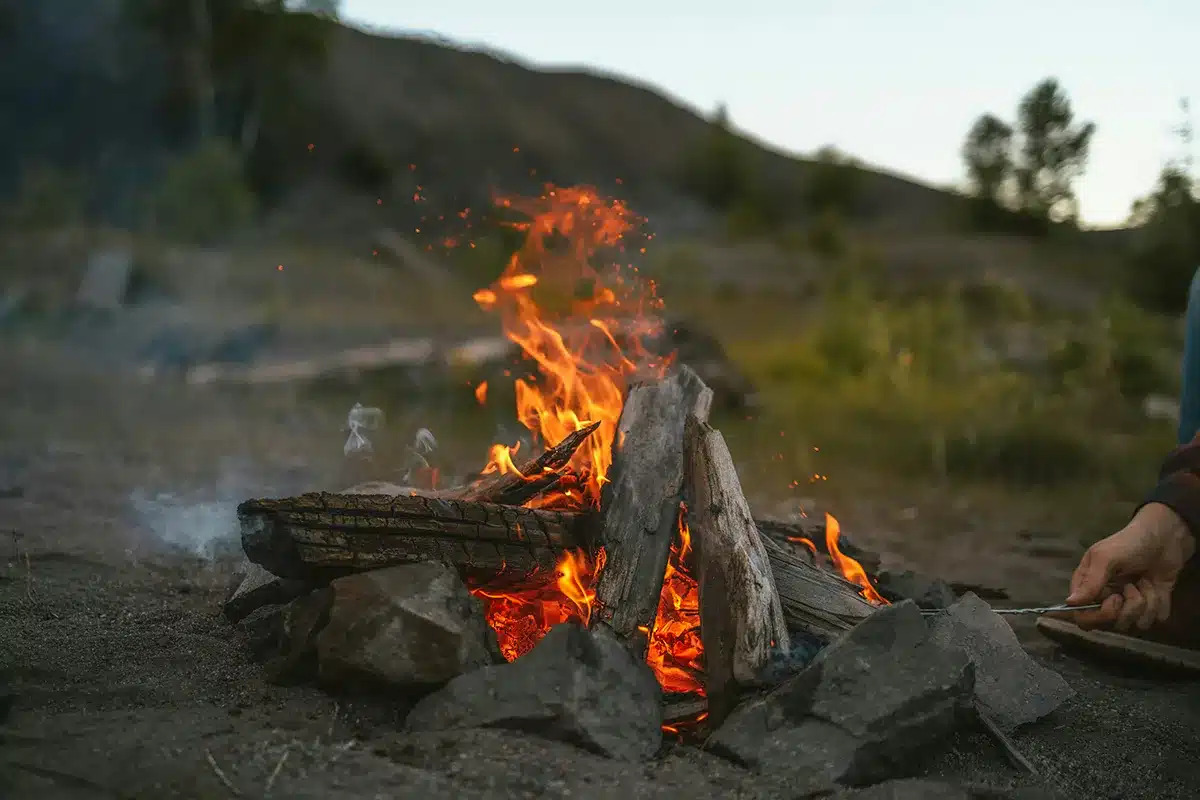
None of this is punitive. It reflects that parks are shared spaces. But if you’ve never stayed in one before, it’s worth reading the park’s rules document (usually sent via email before arrival or posted at reception) before assuming your normal backyard habits apply.
Know before you goAustralian caravan park rule changes
What’s changing at parks and campgrounds this year — fees, rules, and what you need to check before you book.
The Bottom Line
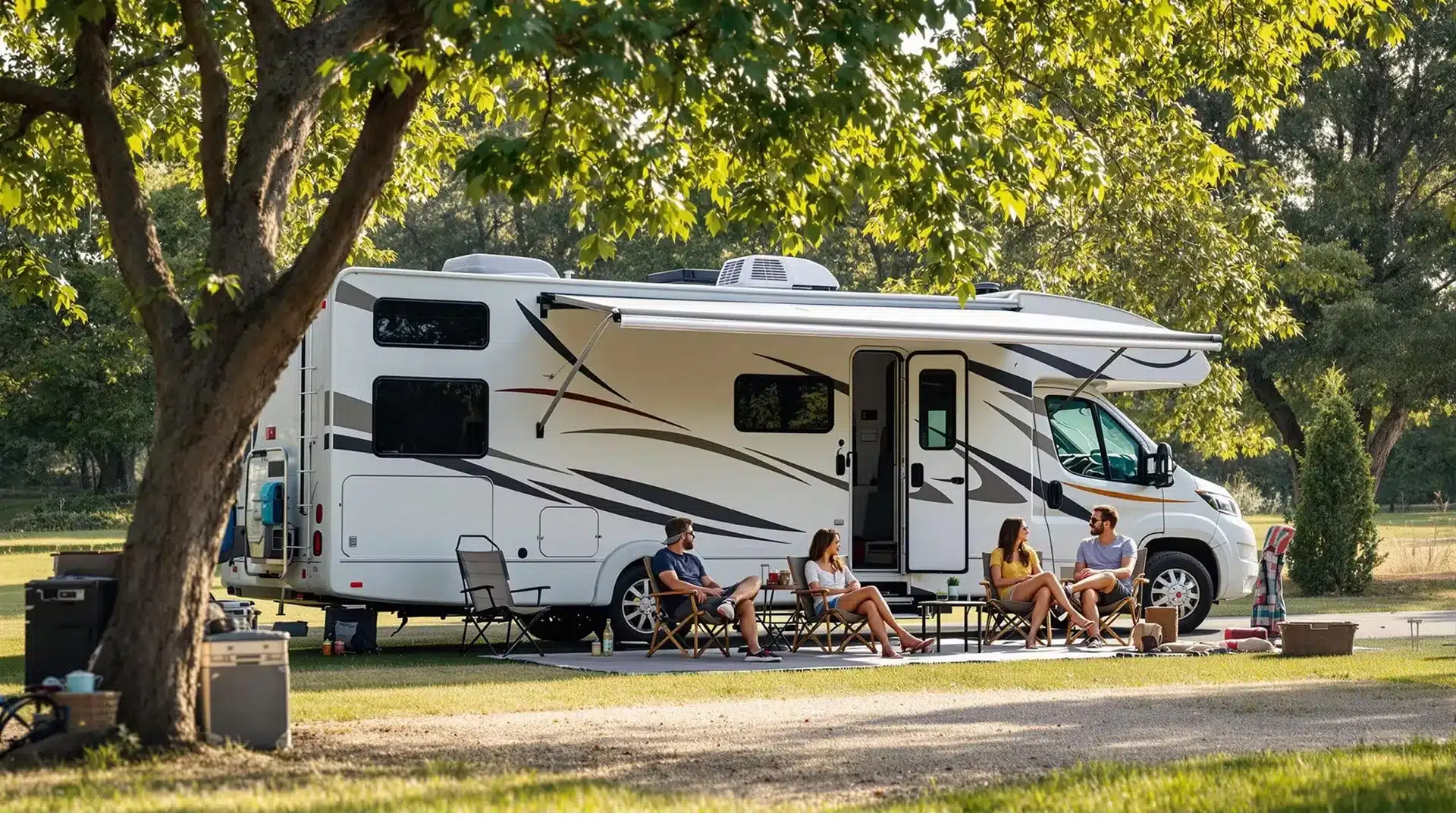
Caravan parks are still one of the best-value, most flexible ways for Australian families to travel. The changes happening right now don’t make them less worth visiting, but they do reward the travellers who do a little more research upfront.
Fees are rising in some areas. Booking windows are tightening. Self-containment requirements are spreading. And parks are enforcing their rules more consistently than they used to.
None of that should put you off. It just means that a five-minute check before you book will save you a much bigger headache when you arrive.
As the industry keeps evolving through 2026, staying across the changes is part of smart caravan ownership, right alongside maintaining your first aid kit, checking your tyre pressures, and making sure your solar is keeping up.
Happy travels.