
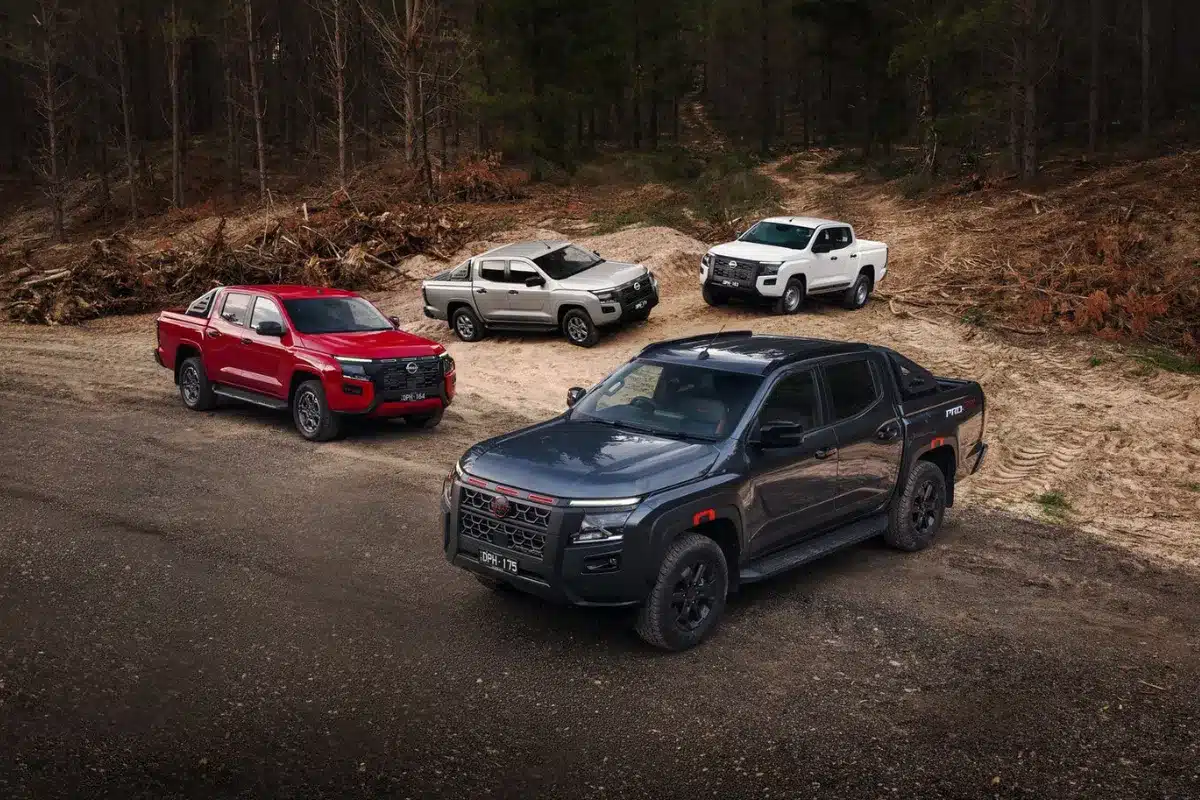
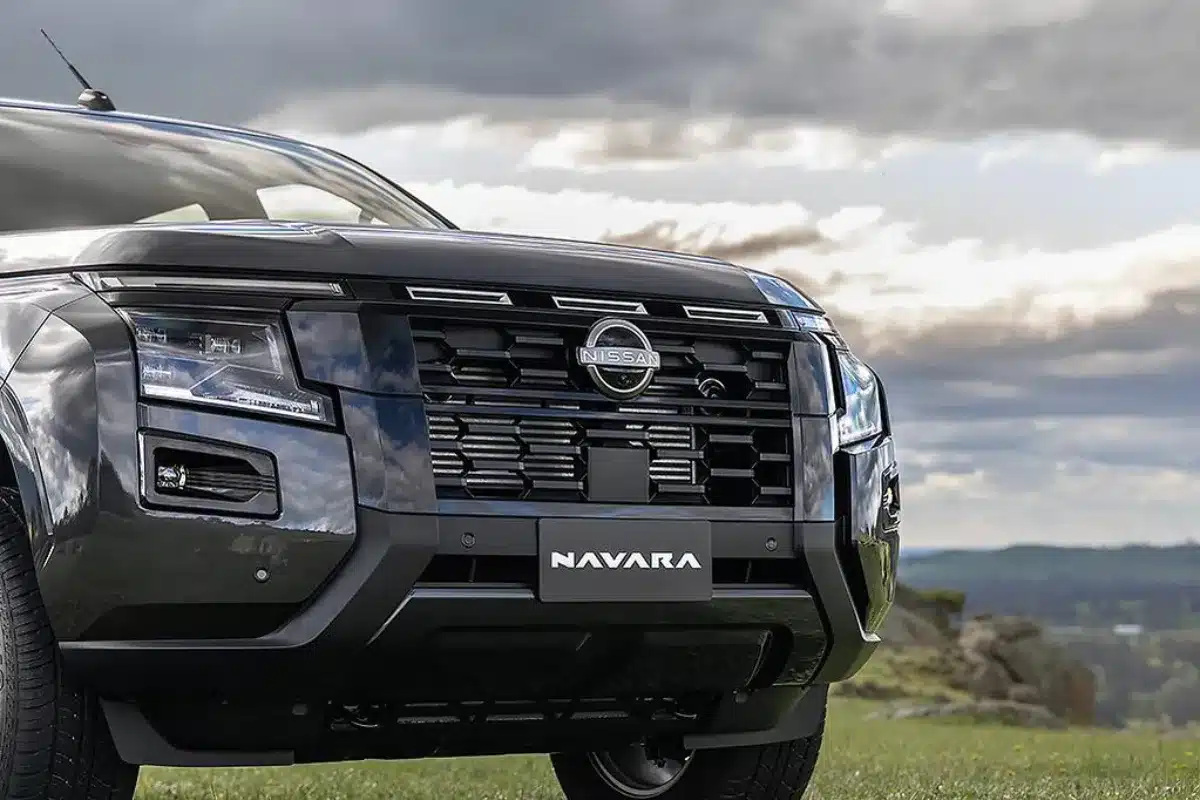

Whats the difference with the 2026 Nissan Navara?
They all tow 3500kg.
They all run the same engine.
They all sit on the same platform.
So you’d be forgiven for thinking they’ll all tow the same.
But they won’t.
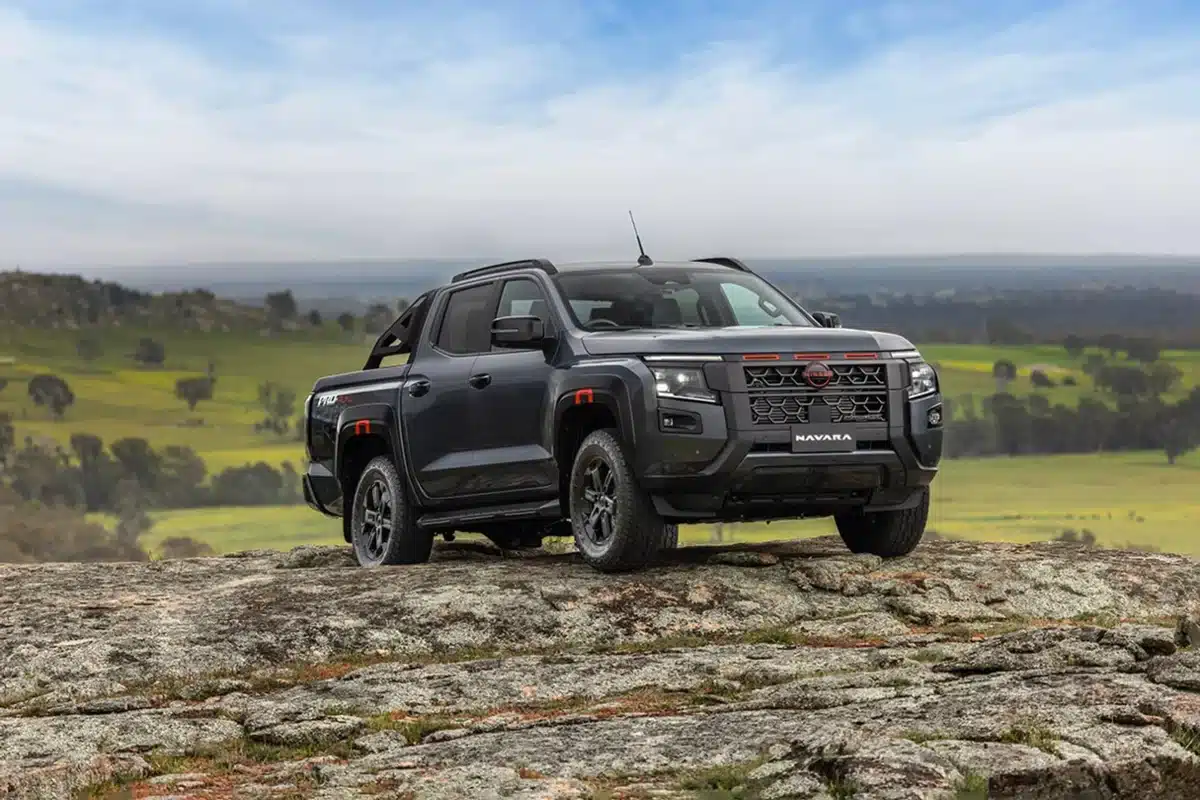
Because underneath, Nissan has done something a bit different. And if you’re towing a caravan, it’s probably the most important change they’ve made.
Have you missed it? I almost did.
Same 3500kg rating – but they won’t feel the same on the road
Every Navara in the new range is rated to tow 3500kg. That’s the headline number everyone looks at. But towing isn’t about what you can pull once. It’s about how the vehicle behaves:
- 200km into a trip
- On a rough outback road
- With a van pushing on the back
- In the scorching Aussie heat.
That’s where suspension comes into it. And for this generation, Nissan and Premcar haven’t gone with a one-size-fits-all approach.
They’ve built three different setups.
The Three 2026 Navara Suspension Setups Explained
Nissan has split the 2026 Navara range into three distinct suspension personalities. The difference is not just badge-deep — each setup changes how the ute behaves when empty, under load and with a caravan on the back.
01. SL & ST
Built for load, not comfort
- • Designed for constant payload, tray setups and regular towing
- • Holds ride height better with heavy vans and reduces rear-end sag
- • Feels most predictable when the ute is always working
02. ST-X
The one most people should be looking at
- • Tuned for weekday driving and weekend towing or touring
- • Stable enough for most caravan setups without feeling harsh when empty
- • Best all-rounder for drivers who want comfort and proper load behaviour
03. PRO-4X
Built for the rough stuff
- • Tuned more for off-road travel, rough tracks and bump compliance
- • Softer initial feel with more suspension movement on uneven surfaces
- • Less planted with a heavy van than the load-focused setups
Quick Match
Steph’s Bottom Line
SL and ST make the most sense when the ute is consistently loaded and towing is part of normal life. ST-X is the smart real-world pick for most buyers because it balances daily comfort with genuine towing ability. PRO-4X suits drivers prioritising off-road compliance, but with a heavy caravan behind it, expect more movement and a softer, less planted feel.
Why this actually matters
Most utes are a compromise. They’re designed to ride nicely when empty and cope when loaded.
Which usually means they’re a bit soft when towing and a bit firm when empty.
The Navara flips that idea.
Instead of one compromise, you get three different approaches depending on how you use the vehicle.
And that’s where it gets interesting.
The three 2026 Navara suspension setups explained
SL and ST – built for load, not comfort
This is the workhorse setup.
If you’re carrying weight all the time, this is where Nissan expects you to land.
Think: tradies, canopy setups, constant gear in the tub or tray and regular towing.
What it’s like when towing: Holds its height better, feels more planted with a heavy van and less rear-end sag.
The reality it’s not trying to be comfortable when empty. It’s built to work.
Steph’s take: If your ute is always loaded, this is the one that’s going to feel the most predictable when you hook a van up.
ST-X – the one most people should be looking at
This is the middle ground, but not in a compromised way. It’s been tuned for how most people actually use a ute: Daily driving during the week and towing or touring on weekends.
What it’s like when towing: Stable enough for most caravan setups, it doesn’t feel overly stiff when empty and still holds up under load.
This is where most buyers will land. You’re not fully loaded all the time, but when you are, you want it to behave properly.
Steph’s take: This is the one that makes the most sense for real-world touring. Comfortable when you’re not towing, capable when you are.
PRO-4X – built for the rough stuff
This one shifts the focus again. It’s tuned more for more off-road travel, rough tracks and compliance over bumps.
What it’s like when towing
It displays a softer initial feel with more movement through the suspension and proves better on uneven surfaces.
Steph’s note: with a heavy van you’ll notice more movement and it’s not as planted as the load-focused setups.
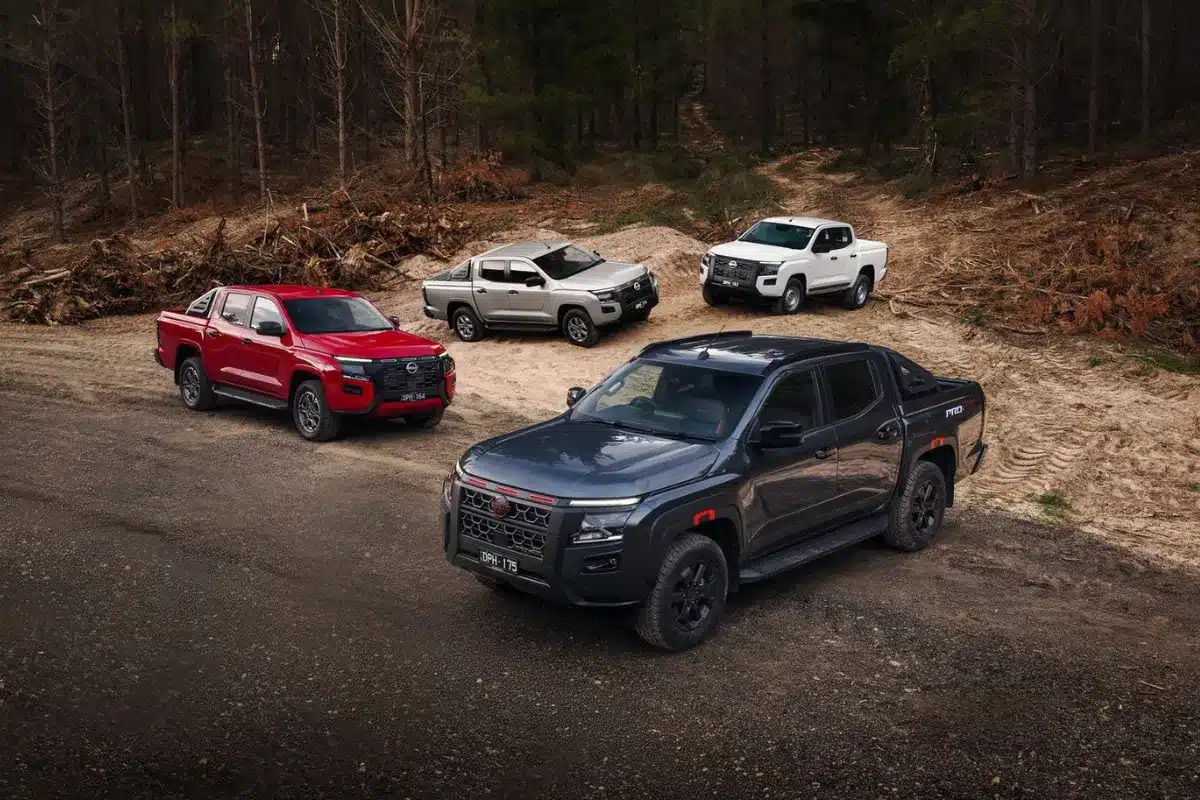
All 2026 Nissan Navaras share:
The same chassis – the same engine – the same towing capacity.
But they won’t feel the same when you’re towing. And that’s the key. Because towing confidence doesn’t come from a spec sheet. It comes from how the vehicle behaves when it’s actually working.
The Premcar factor
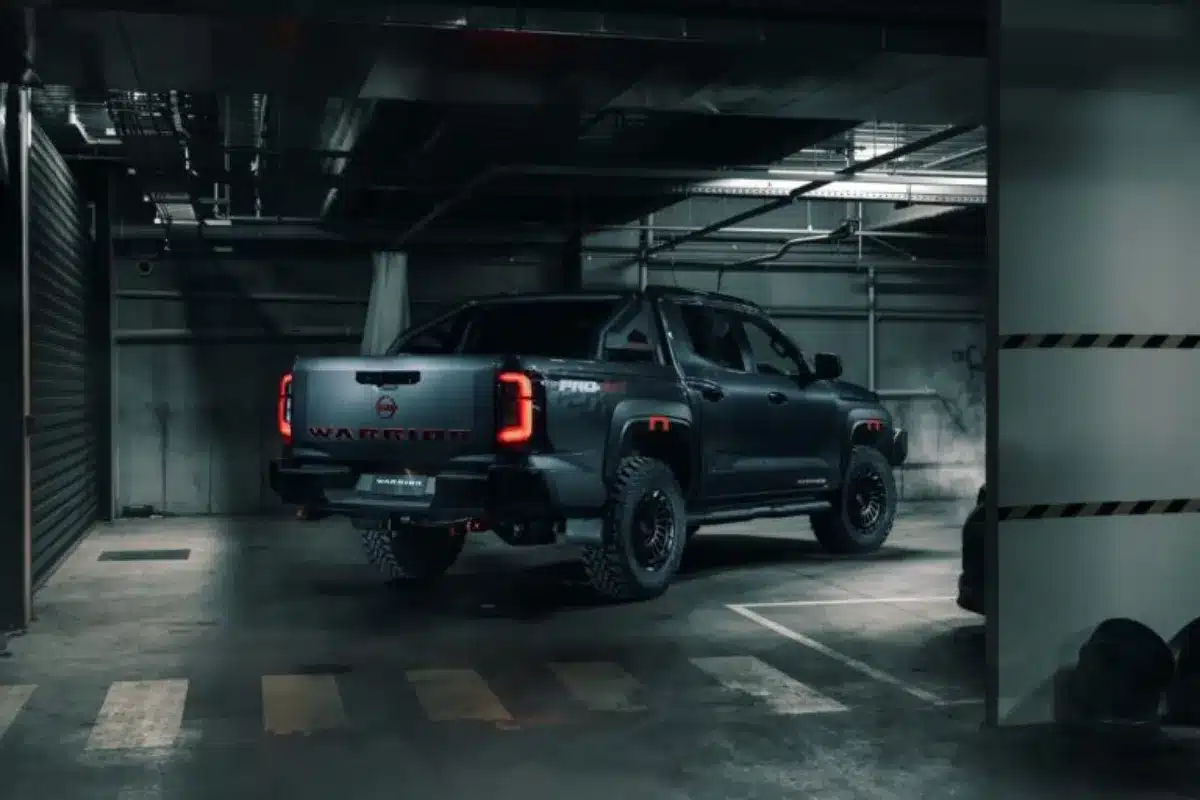
This is what ties it all together. Premcar used to be the team behind the Warrior models. The tougher, off-road versions. Now, they’ve had input across the entire Navara range.
That included:
- 12 months of local development
- 18,500km of durability testing
- Hundreds of suspension changes
So this isn’t just three trim levels. It’s three different ways the same ute behaves on the road.
Steph’s insight: This is probably the biggest shift in how the Navara drives, and it’s not something you’ll see on a spec sheet.
Final take
Not all Navaras are the same anymore.
They might look almost identical on paper, but they’re set up very differently underneath.
And for towing, that matters. Because the best Navara isn’t the one with the most features. It’s the one that matches how you load it, how you drive it, and how you tow.
Get that right, and the difference isn’t subtle.
It’s the difference between a setup that works, and one that constantly feels like it’s fighting you.
Ensure your vehicle is set up properly: Caravan Payload Guide – Understanding Tare, ATM & Legal Limits