
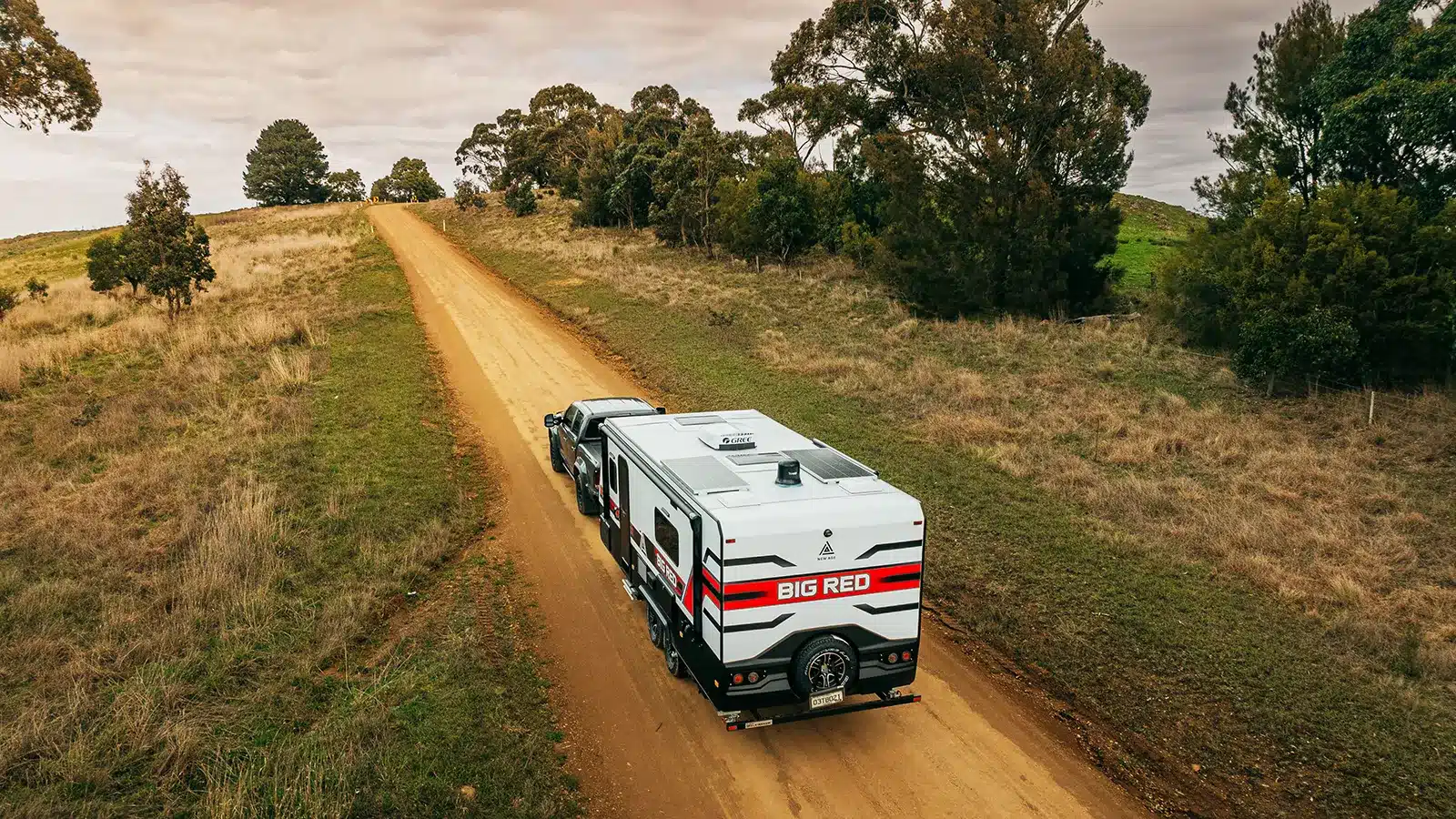
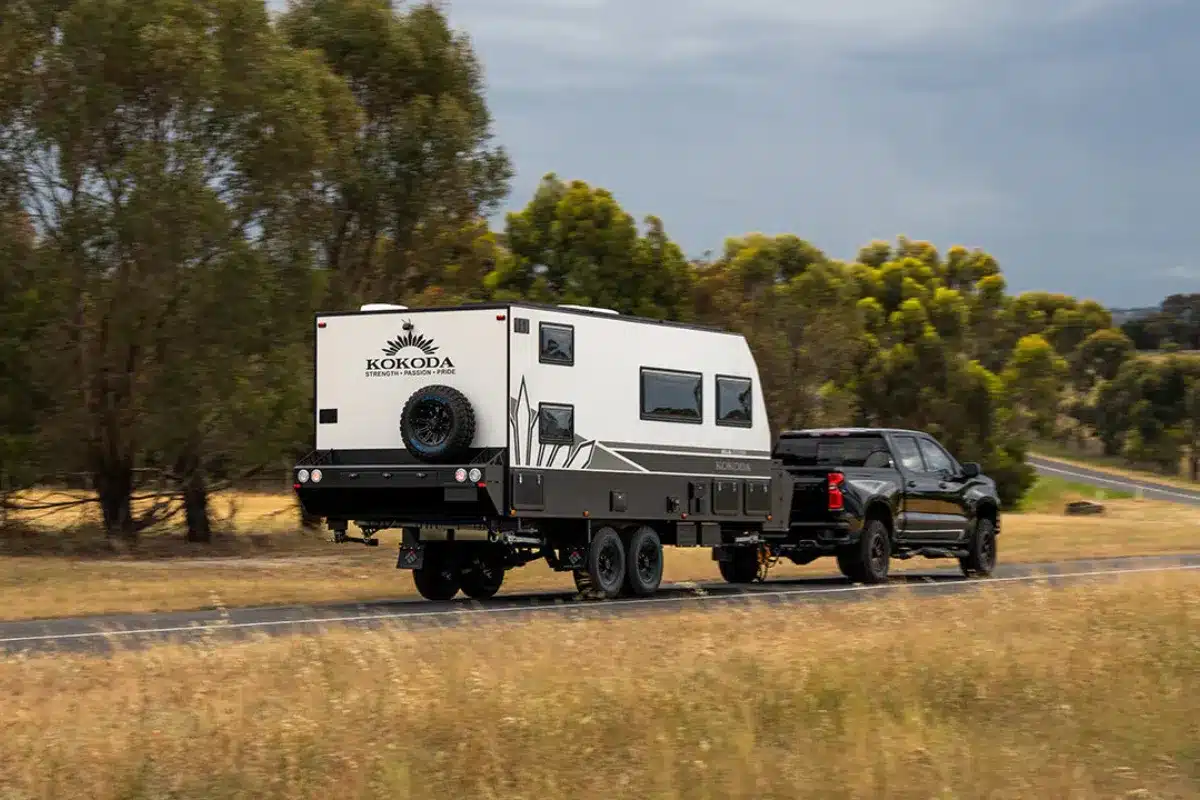

There’s nothing quite like hitting the open road with your caravan in tow – your home trailing behind you, and adventure waiting at every turn-off. But that freedom comes at a cost, and fuel is usually the biggest one.
The good news? With a few smart habits and some preparation, you can significantly reduce fuel consumption when towing a caravan – without sacrificing the fun. We’ve complied 10 proven ways to do it.
Before diving into the tips, it helps to understand what’s actually driving that spike in fuel consumption when towing a caravan.
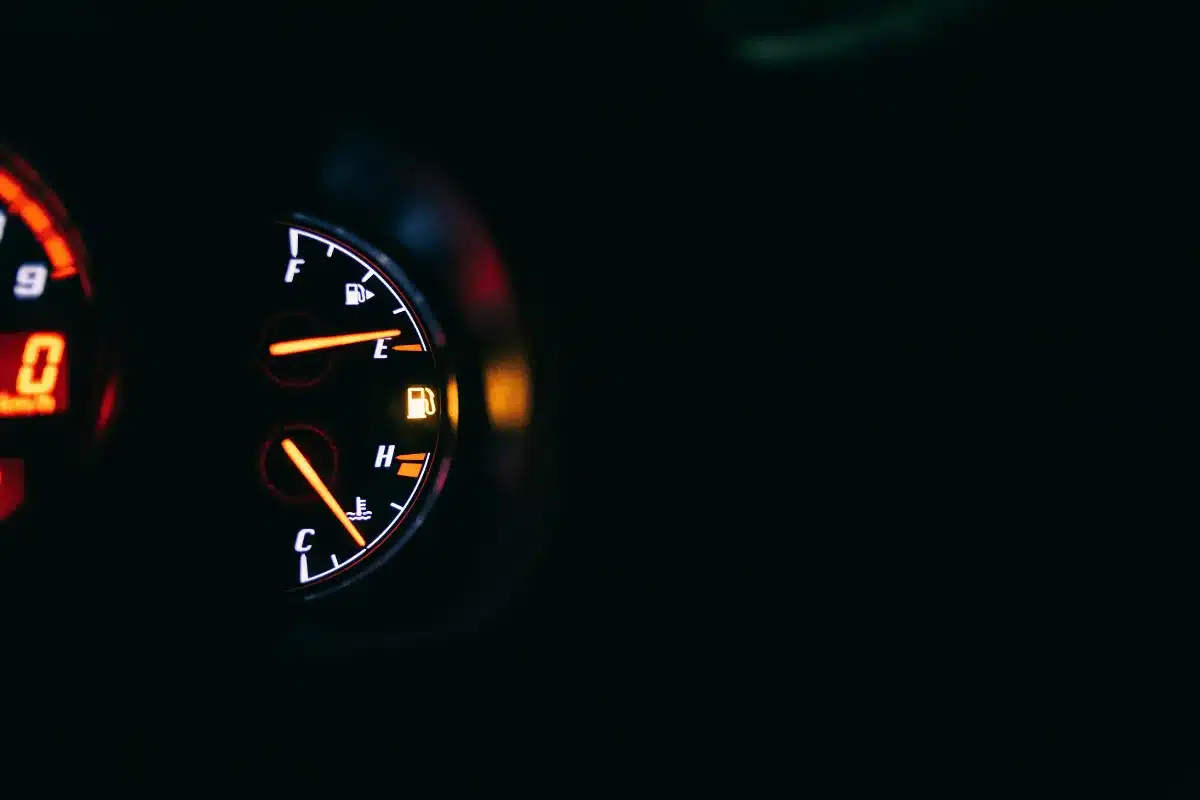
Why Does Towing a Caravan Use So Much Fuel?
The main culprits are aerodynamic drag, added weight, and rolling resistance. A caravan is essentially a large, box-shaped sail – it pushes a wall of air ahead of it at highway speed. Combined with the extra mass your engine has to move, and the increased tyre friction from a heavier load, your engine has to work far harder than it would unloaded.
The good news is that all three factors are things you can influence directly.
Caravan Fuel Saving Tips At a Glance
Small changes add up quickly when towing. Weight, speed, tyre pressure and driving style all have a direct effect on how hard the tow vehicle has to work.
Quick Reference Table
Biggest Gains
The two biggest levers are speed and wind resistance. Dropping just 10 km/h and avoiding headwinds can deliver the most noticeable real-world savings.
After that, it’s about stacking small wins — weight reduction, tyre pressures and smoother driving all combine to significantly reduce fuel use over long distances.
10 Tips to Reduce Fuel Consumption When Towing a Caravan
1. Reduce Caravan Weight Before You Leave
The single biggest factor affecting fuel consumption when towing is weight. Every extra kilogram your tow vehicle hauls requires more engine effort, more fuel, and more wear.
Before you leave, take stock of what’s actually in your van. It’s surprisingly easy to accumulate dead weight – spare clothes you never wear, tools you haven’t touched in three trips, that second camp chair that’s “just in case.” Be ruthless. A caravan running 200 kg over its tare weight is costing you real money at every servo.
Keep heavier items low and centred in the van to improve stability, which in turn lets you drive more smoothly and economically.
“If you’re heading to a Caravan Park, Consider only filling 100L of water over 200L, thats an instant 100kg saving!“
– John Wijnen, New Age Caravans
2. Match Your Tow Vehicle to Your Caravan
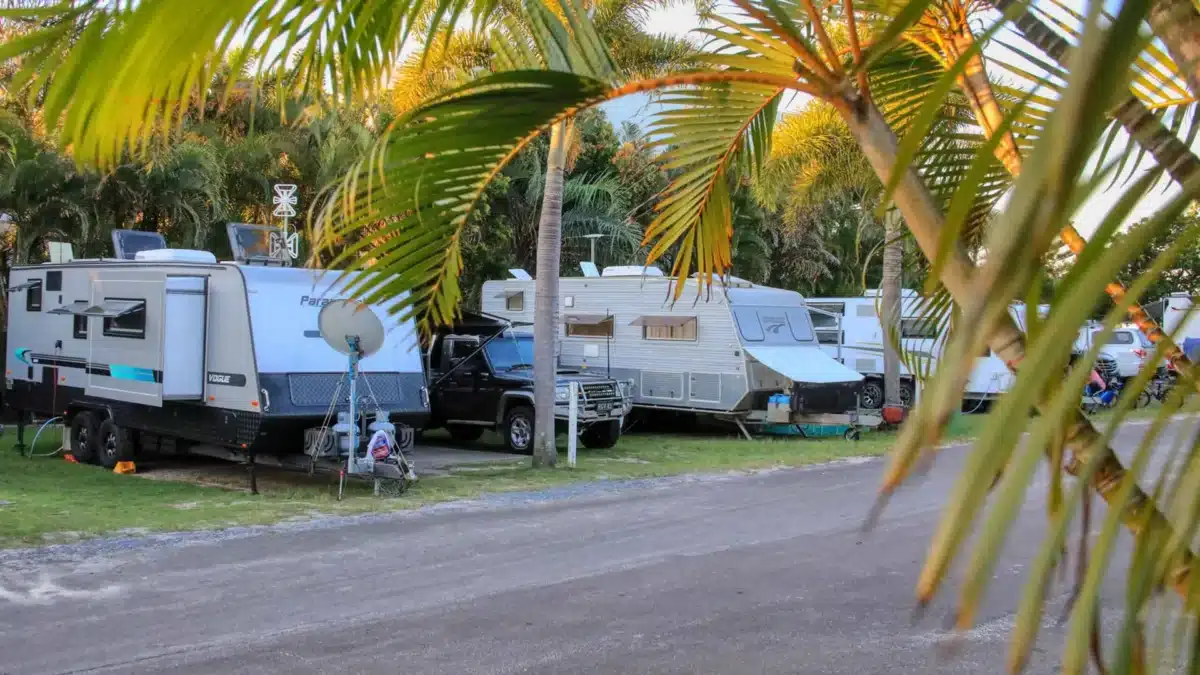
A well-matched tow vehicle and caravan combination is inherently more fuel efficient. If your van’s Gross Trailer Mass (GTM) is pushing the upper limit of your vehicle’s towing capacity, the engine is working hard all the time – even on the flat.
If you’re in the market for a new setup, consider the tow ball mass, your vehicle’s power-to-weight ratio, and aerodynamic compatibility. A taller caravan behind a low-profile SUV creates a wall of drag that no driving technique can fully overcome.
3. Drive at the Optimal Towing Speed
Dropping from 100 km/h to 90 km/h on a long run can reduce fuel consumption by 10–15%. If you’re not in a hurry – and most caravanners aren’t – cruise at 90 and enjoy the scenery. You’ll also find the drive far less stressful.
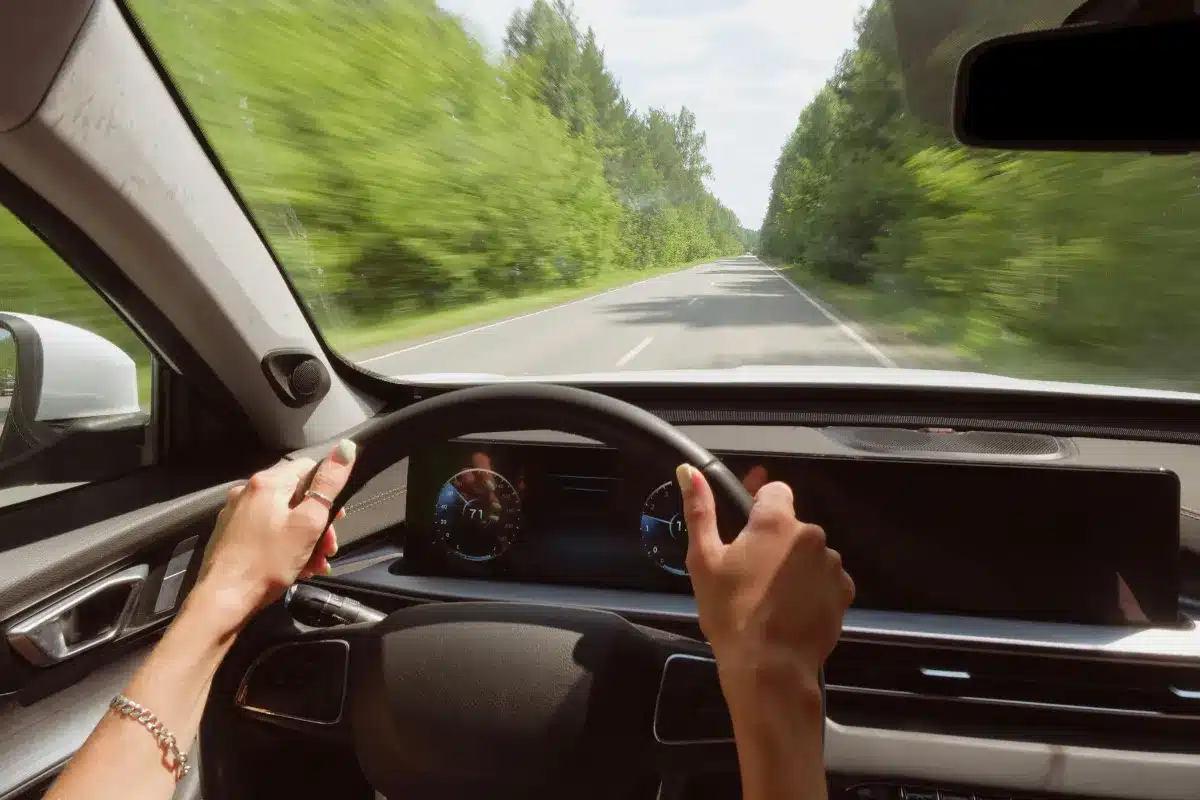
“As soon as you drive over 110km/p while towing – fuel goes through the roof”
– John Wijnen, New Age Caravans
John also mentions: “It’s important to note here, if you see vehicles banking up behind you – pull over at the earliest and safest spot to let them past.“
4. Adopt a Smooth, Anticipatory Driving Style
Aggressive acceleration and hard braking are fuel killers. Every time you accelerate sharply, you’re burning extra fuel to build momentum. Every time you brake hard, you’re throwing away the kinetic energy you just paid for. Adopt a smooth, anticipatory driving style:
- Read the road well ahead and ease off the accelerator early
- Let the car coast when momentum is on your side
- On long downhills, use engine braking rather than the brake pedal
Smooth driving also reduces sway and instability, which means less corrective steering and a more comfortable trip for everyone.
5. Check Tyre Pressures on Both Vehicles
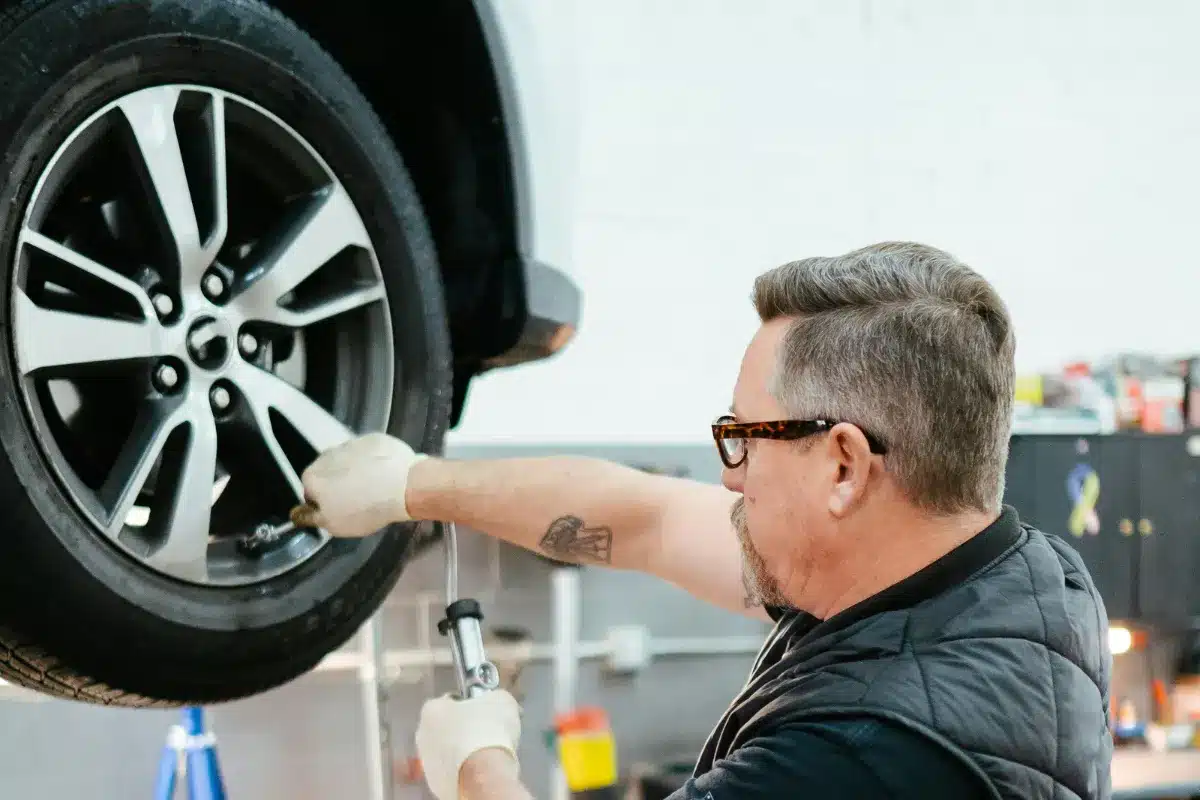
Under-inflated tyres increase rolling resistance, which means your engine has to work harder to maintain speed. Check tyre pressure in both your tow vehicle and your caravan’s tyres before every trip.
Most manufacturers recommend slightly higher tyre pressures when towing to account for the extra load. Refer to your vehicle’s placard and your caravan’s manual.
“Even a small adjustment in rolling resistance across 6 or 8 tyres adds up over hundreds of kilometres.“
– John Wijnen, New Age Caravans
6. Reduce Aerodynamic Drag on Your Caravan
Your caravan is a blunt object moving through the air. Anything you can do to reduce that frontal area or smooth the airflow will pay dividends in fuel savings.
Practical ways to reduce aerodynamic drag while towing:
- Fit a wind deflector (air deflector) to your tow vehicle’s roof, properly sized for your van’s height
- Remove unnecessary external items – roof racks, bike carriers, external shower boxes, and awnings all add drag
- Close all roof hatches and windows while driving at highway speed
If you’re not using something on a particular trip, leave it at home or stow it inside the van.
7. Use Cruise Control on Flat Terrain
On flat terrain, cruise control is your friend. It maintains a steady speed without the subtle speed creep that happens when you’re distracted, and it eliminates unnecessary acceleration. Most drivers unconsciously let their speed fluctuate by 5–10 km/h, which burns more fuel than simply holding a constant pace.
That said, turn cruise control off on hilly terrain. On grades, a good driver can use momentum intelligently – coasting down into a climb, for example – in a way that cruise control can’t replicate.
John says “I turn cruise control straight off when on hills, if the car is hunting through the gears, it uses more.”
8. Plan a Fuel-Efficient Route
Fuel efficiency when towing isn’t just about how you drive – it’s also about where you drive. Hilly routes require constant acceleration and braking, while flat roads allow for a steady, economical pace. If you have a choice, the longer but flatter road may actually cost less in fuel overall.
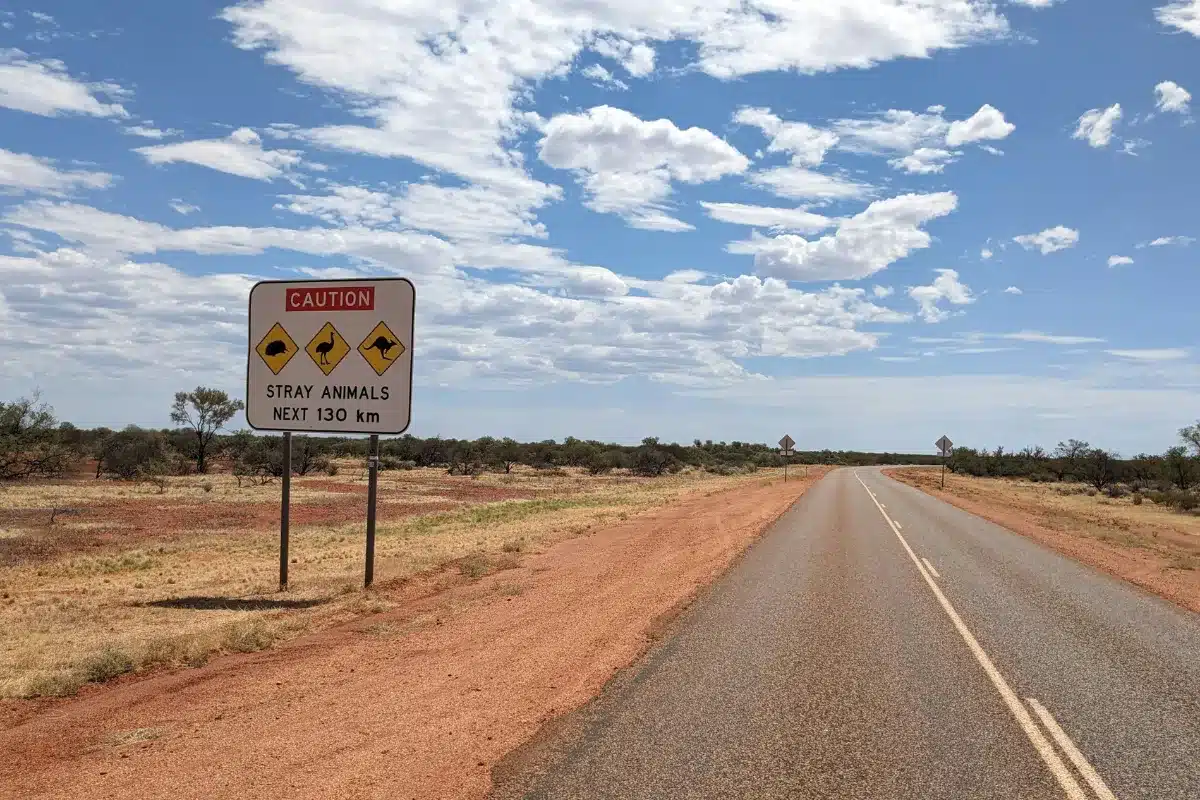
Plan your refuelling stops in advance too, rather than panicking into the nearest servo when the gauge drops low. Fuel prices in rural Australia can vary enormously, and a little planning can save you significantly at the bowser.
9. Keep Your Tow Vehicle Well Serviced
A poorly maintained engine works harder and drinks more fuel. Stay on top of your service intervals, particularly:
- Oil changes – old, degraded oil increases engine friction
- Air filter replacement – a clogged filter can noticeably increase fuel consumption
- Spark plugs – worn plugs reduce combustion efficiency
- Transmission fluid – an overworked auto gearbox affects both efficiency and longevity
If you do a lot of towing, consider servicing your vehicle slightly more frequently than the standard interval.
10. Travel at the Right Time of Day
Headwinds are a serious fuel drain when towing a caravan. A strong headwind can add 15–20% to your fuel bill on a given stretch. If you’re flexible about when you depart, check the forecast and aim to travel with the wind, or at least avoid the worst of it.
Also avoid driving in peak summer heat where possible. Air conditioning load on a hot day adds to fuel consumption, and idling in slow traffic with the van behind you is one of the most expensive situations you can be in.

The Bottom Line: Small Habits Add Up to Big Savings
Saving fuel while towing a caravan is rarely about one magic trick. It’s the compound effect of a dozen sensible habits consistently applied. Slow down a little, lighten the load, keep the tyres right, drive smoothly, and plan ahead.
Do all of these things consistently, and the fuel savings are real, tangible, and very worth the effort. The money you save at the pump is money better spent on the next campsite, the next adventure, or a cold drink at the end of a great day on the road.
Frequently Asked Questions About Towing Fuel Consumption
How much more fuel does towing a caravan use?
Towing a caravan typically increases fuel consumption by 30–50% compared to driving unloaded. The exact figure depends on the size and weight of the caravan, the tow vehicle’s power and aerodynamics, speed, terrain, and weather conditions.
What is the most fuel-efficient speed to tow a caravan?
The sweet spot for caravan towing fuel economy is generally 85–95 km/h on open roads. Above 100 km/h, aerodynamic drag increases sharply and fuel use climbs quickly. Below 80 km/h, efficiency gains are minimal and the practical benefits are outweighed by the additional travel time.
Does a heavier caravan always use more fuel?
Yes – heavier caravans require more engine effort to accelerate and maintain speed, which increases fuel consumption. However, aerodynamic drag often has a bigger impact at highway speeds than weight alone. A heavy but aerodynamically efficient van may actually perform better than a lighter but boxy design.
Does a wind deflector actually save fuel when towing?
Yes, a correctly fitted wind deflector can reduce fuel consumption by 3–7% on highway runs by redirecting airflow over the front face of the caravan. It’s most effective when sized and angled precisely for your specific van height, so take the time to adjust it properly.
Safe travels – and may the wind always be at your back.